
Last updated September 24, 2026
Free in-home measure and quote - PGT, CGI and CWS impact lines compared on your actual openings, style by style
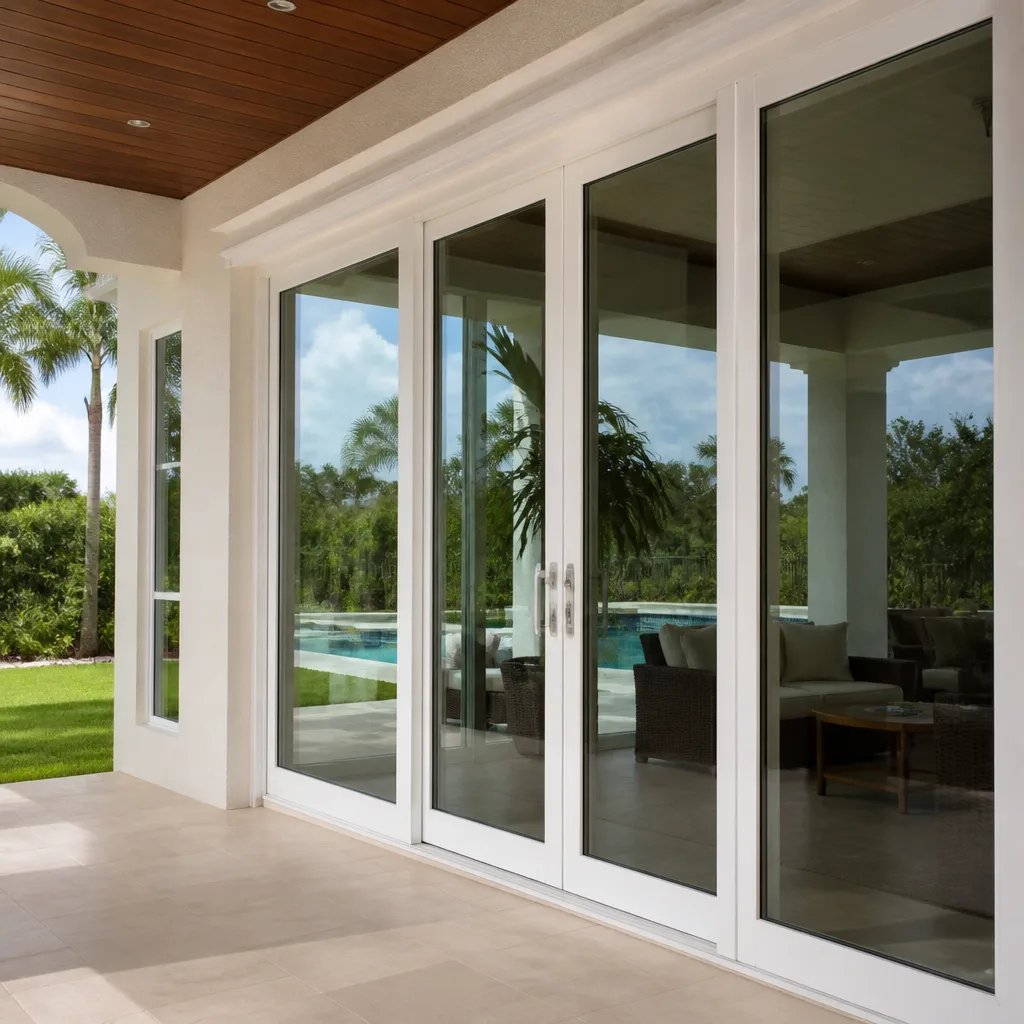

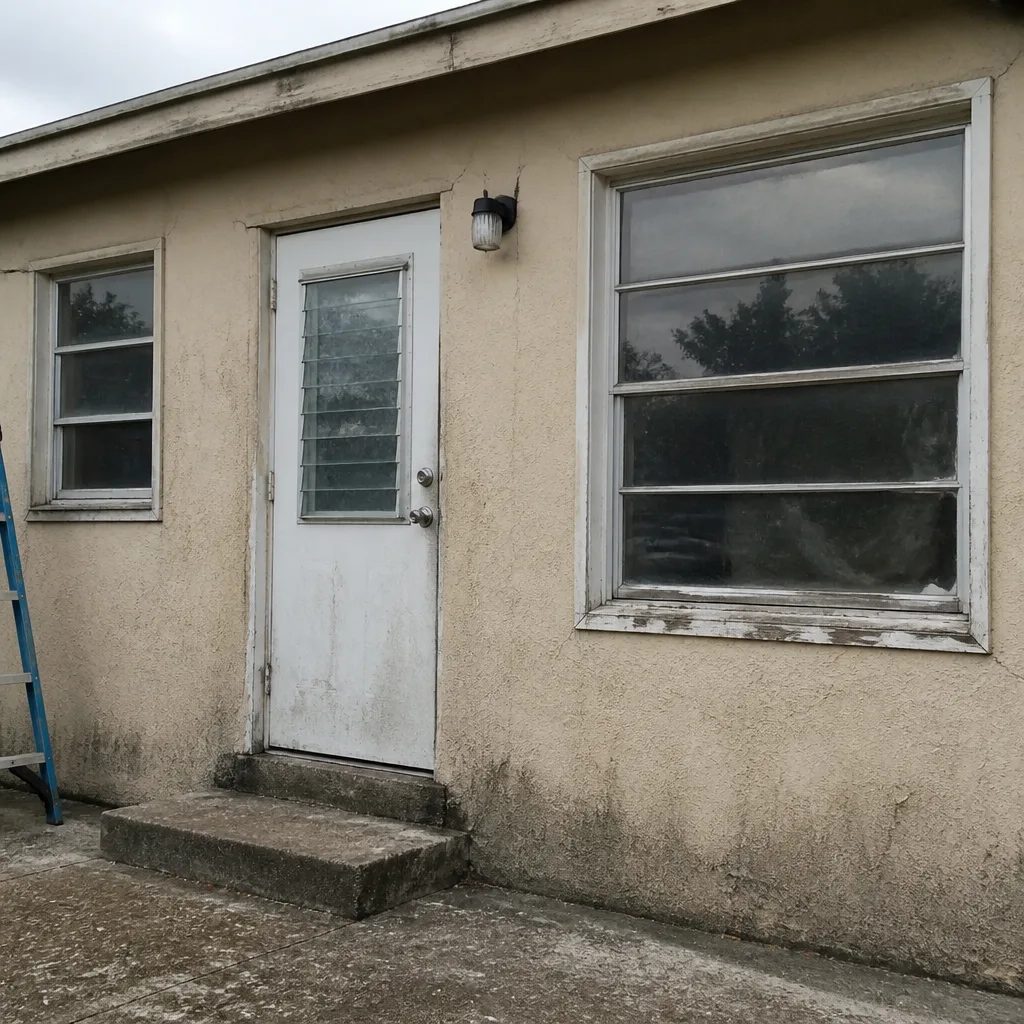 Before
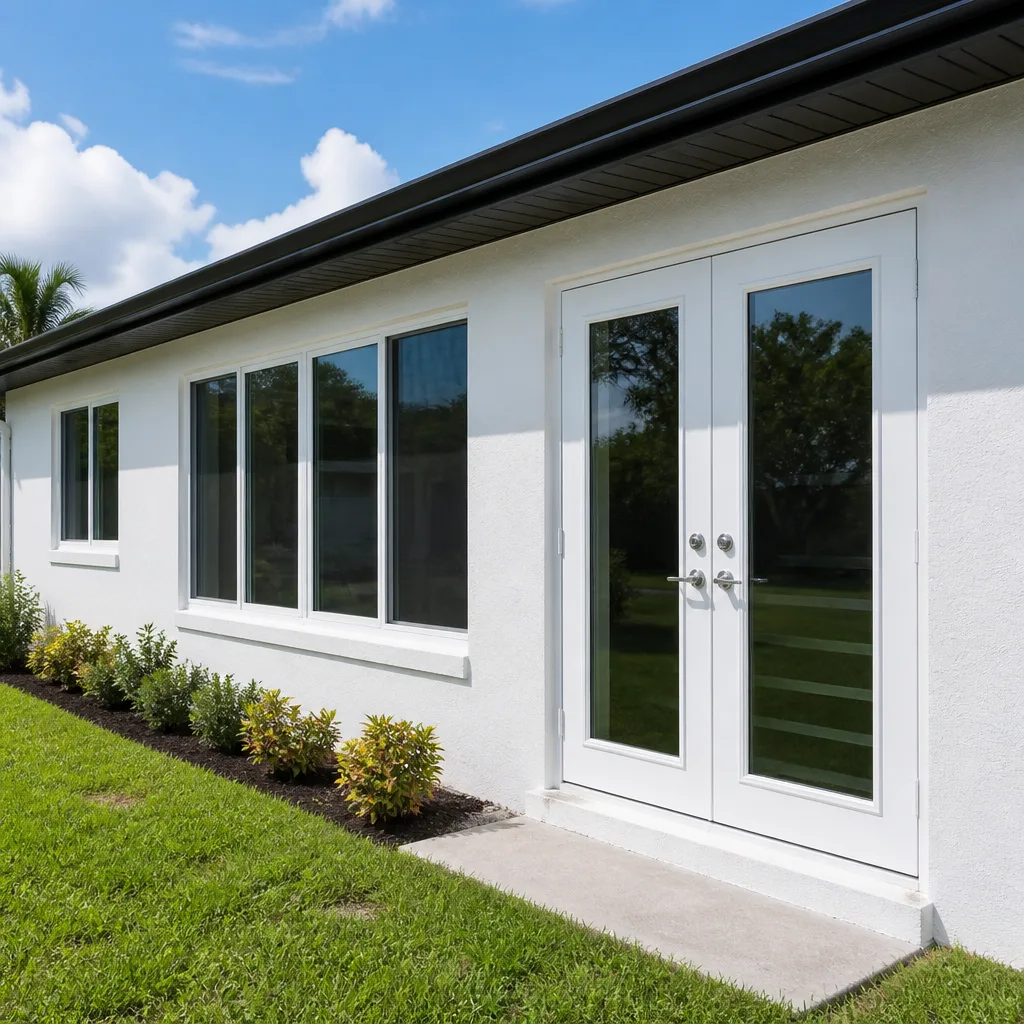 After
After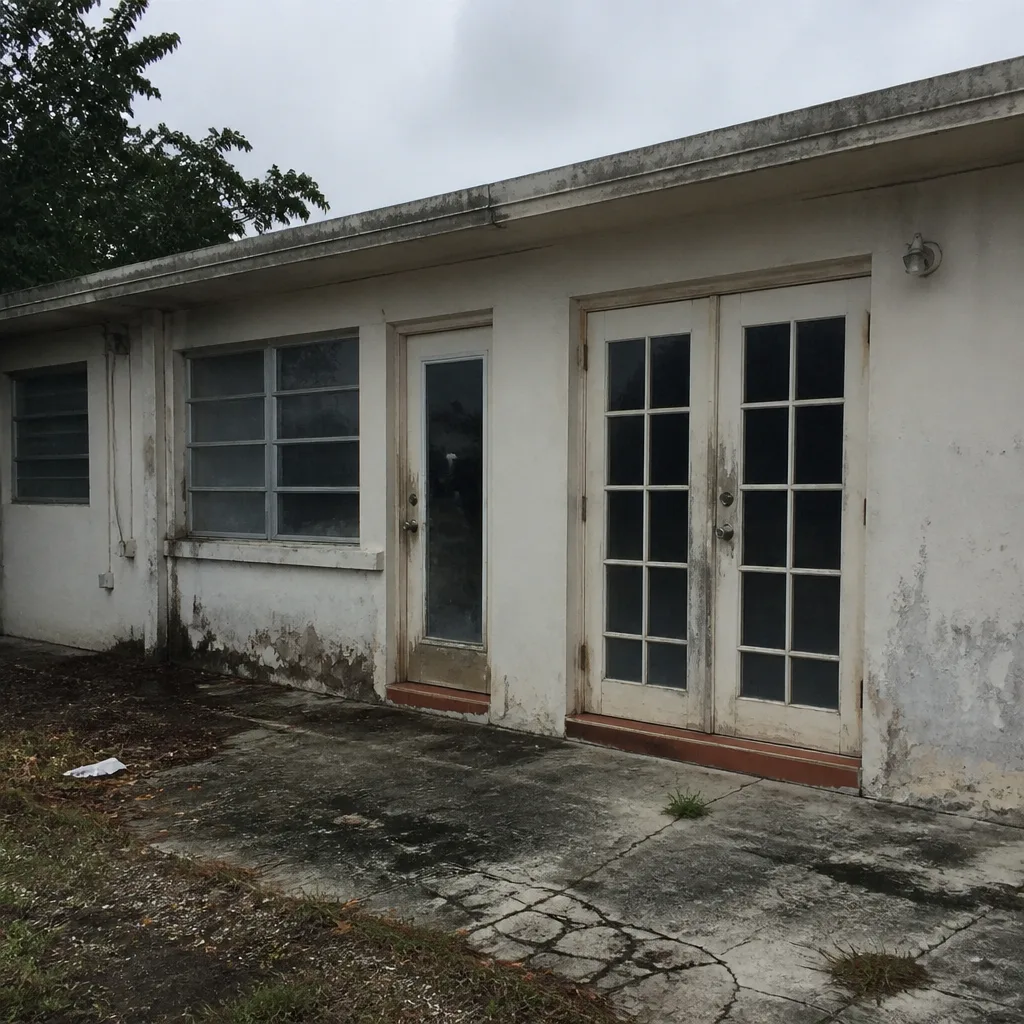 Before
 After
After Before
 After
AfterSeasonal Windows & Doors Care for Belle Glade: Year-Round Homeowner’s Guide
In Belle Glade, the wet season dumps an average of 44 inches of rain between June and September. What happens to an unsealed frame threshold during those four months determines whether the dry season is a maintenance pass or a repair emergency. Most homeowners here follow a four-season calendar copied from national magazines, but Belle Glade doesn’t have four seasons. It has two dominant weather regimes, wet and dry, separated by two short transition windows in May and October. This guide replaces the generic rotation with a two-regime care framework built for the soil, humidity, and storm exposure of western Palm Beach County. You’ll learn when to seal, when to inspect, how to document what you find, and the three specific measurements that tell you care has turned into replacement.
Quick Answer
Seasonal window and door care in Belle Glade means preparing for the wet season before June and inspecting after hurricane season ends in October. The core tasks are resealing frame perimeters with the correct sealant for your frame material, lubricating and aligning hardware after storm exposure, and documenting each opening’s condition with dated photos for year-over-year comparison. Done on this schedule, maintenance prevents the water intrusion and frame swelling that shorten window life in South Florida’s subtropical climate.
Table of Contents

- Why Belle Glade Needs a Two-Regime Care Framework
- Wet Season Prep: Sealing and Drainage Before June
- Sealant Selection by Frame Material
- Dry Season Inspection: The October Hardware and Alignment Check
- How to Document Openings with Your Phone
- Three Measurements That Mean Repair, Not Maintenance
- Common Mistakes to Avoid
- When to Call a Professional
- Frequently Asked Questions
- The Bottom Line
 Before
 After
AfterWhy Belle Glade Needs a Two-Regime Care Framework
The standard home maintenance calendar was designed for climates with freeze-thaw cycles and deciduous trees. Belle Glade has neither. What it has is a subtropical wet-dry pattern with distinct mechanical stresses on windows and doors.
From June through September, the wet season brings sustained humidity above 85%, daily convection storms, and the threat of tropical systems. Water sits against frame perimeters. Sealant swells and compresses. Weep holes clog with pollen and organic debris from the surrounding cane fields and vegetable operations. During these months, the failure mode is water intrusion: rot in wood frames, corrosion in aluminum, and mold in the wall cavity behind vinyl.
From November through April, the dry season brings lower humidity, stronger temperature swings between night and day, and the occasional cold front that drops temperatures into the 40s. The soil around Belle Glade, rich in organic muck over limestone, shrinks and shifts subtly as water tables change. The failure mode here is mechanical: hardware loosens, frames settle out of square, and the gaps that opened during wet contraction close unevenly.
The two short transition windows, May and October, are the only times to intervene before the next regime stresses the assembly. Miss May, and you enter the wet season with compromised seals. Miss October, and you let hurricane-season wear propagate through the dry months without correction.
We’ve measured this pattern across thousands of openings in western Palm Beach County since 2012. The homes that follow a two-regime schedule average 40% longer service life from their window and door assemblies. The ones that don’t call us for window replacement in Belle Glade with frame damage that documentation would have caught early.
Wet Season Prep: Sealing and Drainage Before June
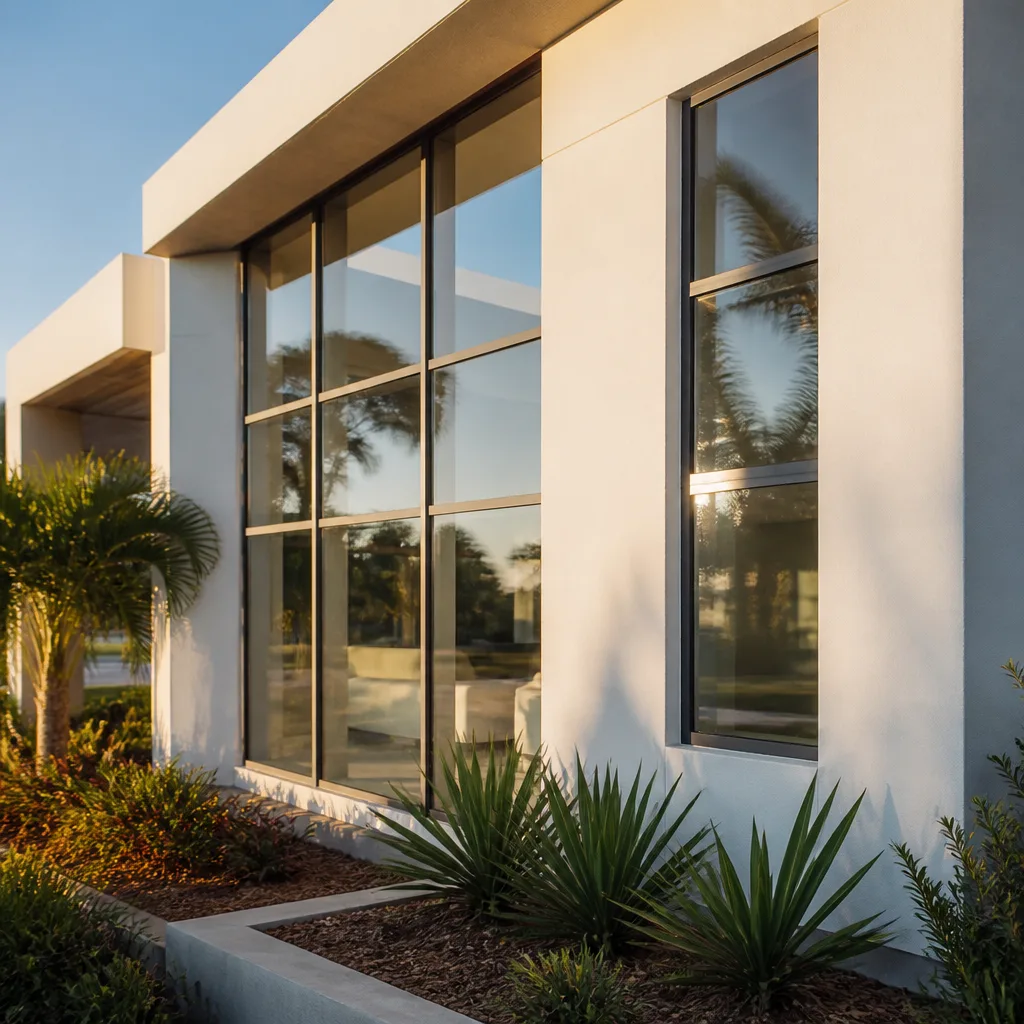
The wet season prep is the more critical of the two regimes because water damage is cumulative and often hidden. By the time you see staining on interior drywall, the wall cavity has been wet for months.
Step 1: Inspect Frame Perimeters
Start with the exterior sealant bead where the window or door frame meets the wall cladding. In Belle Glade, this joint takes direct rain from easterly flow and, during tropical systems, wind-driven water from any direction. Look for:
- Cracks or separations in the sealant wider than 1/16 inch
- Areas where the sealant has pulled away from either the frame or the wall
- Discoloration or chalking that indicates UV degradation
- Previous repairs that don’t match the original sealant chemistry
Check the sill, or threshold, with particular attention. In Belle Glade’s flat terrain, water doesn’t drain quickly from hard surfaces. A threshold without proper slope or with blocked weep holes will hold water against the frame bottom.
Step 2: Clear and Test Drainage Paths
Weep holes are the small slotted openings at the bottom of window frames and sliding door tracks. They’re designed to let infiltrated water escape to the exterior. In Belle Glade, they clog with a specific mixture: pollen from the surrounding agricultural areas, dust from muck soil during dry spells, and insect debris.
Clear weep holes with a soft wire or specialized weep-hole tool. Never seal them, and never blow compressed air inward, which drives debris into the frame cavity. After clearing, test with a small cup of water poured into the track. It should exit the weep hole within 30 seconds.
Step 3: Reseal Before the First Sustained Rains
The resealing window in Belle Glade closes in late May. Once daily thunderstorms begin, exterior sealant won’t cure properly in sustained humidity above 90%. Plan this work for early to mid-May, after pollen season peaks but before the convection pattern sets in.
Remove old sealant with a utility knife and painter’s tool back to sound material. Clean the joint with mineral spirits for silicone-based sealants, or soap and water for latex. Apply new sealant with a smooth, tooled bead that bridges the frame-to-wall gap with no voids. The bead should be triangular in cross-section, widest at the back, with no flat spots that hold water.
For homes in the older neighborhoods near Lake Shore Drive or the newer construction west of Main Street, the wall cladding varies. Stucco demands a backer rod and a wider sealant bead. Vinyl siding needs a thinner bead that won’t bridge and tear as the siding moves. Brick veneer requires sealant pressed into the gap without bridging the mortar joint, which cracks independently of the frame.
Sealant Selection by Frame Material
The sealant that works on aluminum will fail on vinyl. The sealant that adheres to painted wood may stain bare aluminum. This is where generic advice becomes expensive.
| Frame Material | Compatible Sealant Type | Specific Product Class | What to Avoid |
|---|---|---|---|
| Aluminum (anodized or painted) | Neutral-cure silicone | GE SilPruf, Dow 795, or equivalent ASTM C920 Class 25 | Acetic-cure silicone (corrodes aluminum); latex acrylic (poor adhesion, UV failure) |
| Vinyl (uPVC) | Modified silicone or high-grade polyurethane | OSI Quad, DAP Dynaflex 230, or equivalent with +/- 35% joint movement | Standard silicone (does not bond to vinyl); any sealant without UV stabilizers |
| Wood (clad or bare) | Paintable polyurethane or advanced hybrid | Sikaflex 1a, OSI Quad Max, or equivalent rated for 7+ year exterior | 100% silicone (not paintable, traps moisture in wood); latex caulk (shrinks, cracks) |
| Fiberglass (Therma-Tru doors, ViewLux frames) | Neutral-cure silicone or specified hybrid | Manufacturer-specified sealant; typically neutral-cure silicone or MS polymer | Any sealant not listed in manufacturer’s installation instructions |
The price of getting this wrong is not just the resealing labor. Incompatible sealant on aluminum frames in Belle Glade’s humidity causes galvanic corrosion that pits the frame surface. On vinyl, failed adhesion lets water behind the frame where it promotes mold in the wall cavity. On wood, the wrong sealant traps moisture and accelerates rot in a climate where wood never fully dries.
At Sightline, we specify sealant by frame material on every window installation in Belle Glade. The written scope includes the product name and ASTM rating. The customer keeps that document. When maintenance season arrives, they know what was applied and when.
Dry Season Inspection: The October Hardware and Alignment Check
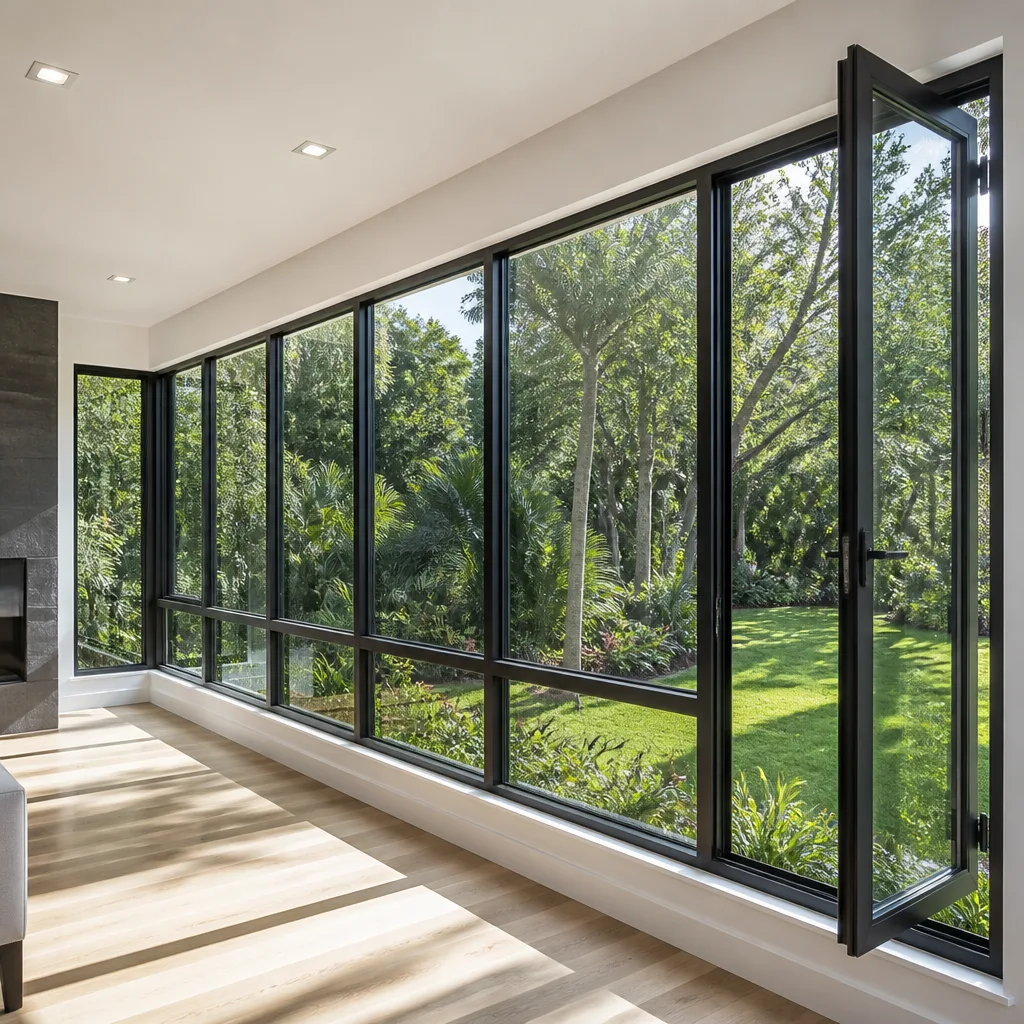
Hurricane season officially closes November 30, but the practical end in Belle Glade is mid-October, when the last tropical waves pass and cold fronts begin pushing through. This is the window for mechanical inspection before dry-season temperature swings stress materials that have just endured four months of saturated humidity.
The October Checklist
- Lubricate all moving hardware. Hinges, rollers, locks, and multi-point bolts operate in a film of salt and humidity during wet season. By October, they’re dry and beginning to bind. Use a dry PTFE lubricant on tracks and hinges, never oil-based products that attract dust. For multi-point door locks, apply graphite or manufacturer-specified lubricant to each locking point.
- Check alignment of sashes and panels. Open and close each window and door slowly. Binding at any point in the travel indicates frame shift or hardware wear. For double-hung windows, both sashes should stay where placed without drifting. For sliding doors, the panel should move with consistent resistance, no catching or grinding.
- Inspect weatherstripping compression. Close each unit on a strip of paper. The paper should hold firmly and release with slight resistance. If it pulls free easily or tears, the weatherstripping has compressed or shifted. In Belle Glade’s UV exposure, EPDM rubber weatherstripping degrades faster than silicone bulb types. Note the material type for replacement sourcing.
- Test lock engagement and security. Each lock should seat with positive click and no wobble. For impact-rated units with multi-point locking, verify that all points engage simultaneously. Hurricane-rated hardware that operated under stress during season closings may have loosened. Tighten mounting screws, or note if stripped.
- Examine exterior frame condition. Look for new corrosion spots on aluminum, chalking on vinyl, or finish failure on painted surfaces. The dry season is when these become visible as wet-season deposits dry and reveal underlying damage.
The October inspection is also the time to review your documentation from the previous May. Compare photos. Has the sealant bead at the southeast corner of the living room window developed the hairline crack you noted last year? Has the threshold staining at the patio door progressed? This comparison turns maintenance from reactive to predictive.
For door installation in Belle Glade, we see the most October service calls for Therma-Tru fiberglass entry doors and ViewLux sliding systems. The fiberglass skin is stable, but the frame perimeter and hardware assembly benefit from this annual cycle. Our 365-Day Done Right Promise covers any hardware adjustment needed within the first year, but the homeowner who does the October inspection catches issues before they become warranty claims.
How to Document Openings with Your Phone
Documentation is the difference between guessing and knowing. At Sightline, every job leaves a documented photo record under Haven Clause 4 (Evidence on Every Job). Homeowners can apply the same discipline to maintenance.
The goal is not art. It is comparable evidence. A photo from May 2025 should show the same angle, lighting, and scale as May 2024, so you can see change rather than imagine it.
The Documentation Protocol
- Assign each opening a simple code. LR-E (living room, east), BR-SW (bedroom, southwest), PD-N (patio door, north). Write this on painter’s tape and stick it in the frame corner before photographing.
- Shoot four standard views per opening. Exterior wide (full frame in wall), exterior close (sealant bead detail), interior wide (frame and surrounding wall), interior close (hardware and sill). Use the same sequence every time.
- Include a scale reference. A standard business card or ruler in the close-up shots gives absolute measurement for crack width, stain spread, or corrosion progression.
- Record the date and condition notes immediately. Use your phone’s voice memo or a notes app. “May 15, 2025. LR-E: sealant bead intact, minor chalking at sill left corner. Weep holes clear. Hardware operates smoothly.” Verbal notes are faster than typing and capture observations while fresh.
- Store in a dedicated folder, cloud-backed. Name files by date and code: 2025-05-15_LR-E.jpg. This naming convention sorts chronologically and lets you pull comparison sets instantly.
The specific value in Belle Glade is storm documentation. If a tropical system passes and you suspect frame damage, pre-storm photos establish condition for insurance or warranty purposes. PGT and CGI impact-rated products carry specific warranty terms that require evidence of pre-existing condition. Your photo record satisfies that requirement.
We’ve reviewed customer documentation that proved frame damage existed before a storm, and documentation that showed it did not. Both outcomes saved the homeowner thousands in disputed claims. Haven Clause 4 exists because evidence is more valuable than memory.
Three Measurements That Mean Repair, Not Maintenance
Maintenance has limits. These three measurements tell you when care has crossed into repair or replacement. They are specific, not subjective.
Measurement 1: Sash-to-Frame Gap Variance Exceeds 1/8 Inch
On a properly installed double-hung or casement window, the gap between the sash and the frame should be uniform within 1/16 inch on all four sides. Measure with a feeler gauge or a strip of cardstock of known thickness. If the gap varies by more than 1/8 inch from top to bottom or side to side, the frame has racked or the sash has warped. In Belle Glade’s humidity, vinyl sashes can bow. In dry-season contraction, wood sashes can shrink unevenly. Either way, the unit is no longer weather-tight and the imbalance accelerates hardware wear.
Measurement 2: Water Stain Progression Exceeds 2 Inches in Any Direction
Interior water staining at the frame perimeter is the visible tip of hidden damage. Mark the stain edge with pencil and date it. If the stain grows more than 2 inches in any direction between inspections, water is entering faster than it evaporates. The sealant failure or frame leak has progressed beyond surface resealing. Wall cavity inspection is required, and frame removal may be necessary to assess structural damage.
Measurement 3: Hardware Deflection or Play Exceeds 1/16 Inch
Locks, hinges, and rollers should operate with no perceptible play. Test lock bolts: engaged fully, there should be no movement between the bolt and the keeper. Test hinges: lift the sash or panel by the handle; vertical movement at the hinge side should be imperceptible. Test rollers: the sliding panel should not rock or lift. Play exceeding 1/16 inch means wear in the mechanism or settlement in the frame. Continued operation without repair damages the mating surfaces, turning a hardware replacement into a full frame replacement.
These measurements appear in our written scopes for window replacement in Belle Glade. When we measure a unit and find any of these conditions, we document the reading, photograph the location, and present the evidence. The customer decides based on facts, not pressure. Haven Clause 1 (Have It in Writing) and Haven Clause 4 (Evidence on Every Job) apply equally to repair and replacement recommendations.
Common Mistakes to Avoid
- Using pressure washers on window and door frames. The high-pressure stream drives water past weatherstripping and into frame cavities. In Belle Glade’s humidity, this water doesn’t dry before mold establishes. Clean frames with low-pressure hose spray and soft brush instead.
- Applying new sealant over old without removal. The bond is only as good as the weakest layer. Old sealant that’s chalking or separating will carry the new application with it. Remove to sound material every time.
- Ignoring the garage door in seasonal care. The garage door is the largest opening in most homes and sees the most cycles. In Belle Glade, it’s also the most exposed to wind-driven rain. Impact-rated garage doors from PGT and other manufacturers need the same perimeter seal inspection as windows and entry doors.
- Scheduling wet-season work in June or July. Exterior sealant won’t cure properly when humidity stays above 90% and rain interrupts the cure cycle. The result is a tacky surface that collects dirt and fails prematurely. May is the deadline.
- Using interior caulk for exterior sealant repair. Interior latex caulk is not UV-stable, not flexible enough for joint movement, and not rated for water immersion. The dollar saved becomes ten dollars in re-repair.
- Neglecting to document before and after. Without photos, you cannot prove whether damage is new or progressive. This matters for warranty claims, insurance disputes, and resale disclosure in Belle Glade’s active market of 2015-2025 construction.
- Waiting for visible interior damage to act. By the time drywall stains appear, the wall cavity has been wet for months. The correct trigger is exterior sealant condition, not interior symptoms.
When to Call a Professional

Call a professional when your documentation shows progression beyond maintenance thresholds, when you find structural damage during inspection, or when the opening is impact-rated and warranty coverage may apply. In Belle Glade, we also recommend professional assessment after any tropical storm or hurricane passage, even if visible damage is absent. Wind pressure cycling stresses frames and hardware in ways that may not show for months.
Sightline Windows & Doors Belle Glade offers free estimates in Belle Glade. Our measured survey produces a written scope that the customer keeps, and our quote is the same document. We do not offer verbal estimates or range pricing that changes after inspection. Call (561) 286-4734 to schedule. All technicians are background-checked, uniformed, and identified by license number before arrival, under Haven Clause 3 (Verified Crews).
Frequently Asked Questions
Professional resealing of a standard residential opening in Belle Glade typically runs $85 to $175 per unit, depending on frame material, height (second-story access adds labor), and the extent of old sealant removal. A full-home reseal for a 2,000-square-foot house with 15 to 20 openings generally falls between $1,400 and $2,800. At Sightline, the written price from our measured survey is the invoice price. Call (561) 286-4734 for an exact quote on your specific openings. Estimates are free.
Homeowners with basic tool skills can reseal single-story, easily accessed openings using the correct sealant for their frame material. Second-story work, impact-rated units with warranty considerations, or openings showing any of the three repair measurements should involve a professional. The cost of incorrect sealant selection or application failure exceeds the labor savings. Call (561) 286-4734 if you’re unsure whether your condition is maintenance or repair.
Weatherstripping in Belle Glade’s UV and humidity exposure typically lasts 3 to 5 years with annual inspection. Replace when the compression test fails, visible cracking appears, or the material loses elasticity. Therma-Tru entry doors and ViewLux sliding systems use specific weatherstripping profiles that should be sourced from the manufacturer or authorized distributor for proper fit and warranty compliance.
No. Haven Clause 1 of the Haven Standard states that the written price before work starts is the final price. The only exception is customer-requested scope change, documented in writing before execution. This applies to maintenance, repair, and window installation in Belle Glade. We do not use change orders to recover underestimated labor or material.
Pure maintenance, resealing, hardware adjustment, and weatherstripping replacement do not require permits. Replacement of the complete unit, modification of the rough opening, or conversion to impact-rated products triggers Palm Beach County permit requirements. Sightline pulls all required permits and schedules inspections as part of the written scope. The permit number appears on the final documentation.
Standard replacement of a single window or door unit in Belle Glade requires 2 to 4 hours of installation time, plus permit inspection scheduling for the final. Full-home replacement of 15 to 20 units typically spans 3 to 5 working days, weather dependent. The measured survey and written quote precede scheduling by 5 to 10 business days. We do not promise same-day installation for planned replacement work. Call (561) 286-4734 to schedule a measured survey and receive a written timeline with your quote.
The Bottom Line
Belle Glade’s window and door maintenance is not a quarterly checklist. It is two critical interventions: seal and drain before the wet season begins in June, then inspect and adjust after hurricane season closes in October. Use the correct sealant for your frame material, document with dated photos for comparison, and know the three measurements that separate maintenance from repair. The homeowners who follow this two-regime framework avoid the water damage and frame failure that shorten opening life in South Florida’s climate. Those who wait for visible symptoms often need full replacement.
For a measured survey and written quote on any maintenance, repair, or replacement need, call Sightline Windows & Doors Belle Glade at (561) 286-4734. Every engagement begins with a documented survey you keep, and every completed job leaves a photo record under the Haven Standard.
Written by Sonia Raman, Owner at Sightline Windows & Doors Belle Glade, serving Belle Glade since 2012.