
Last updated September 24, 2026
Free in-home measure and quote - PGT, CGI and CWS impact lines compared on your actual openings, style by style
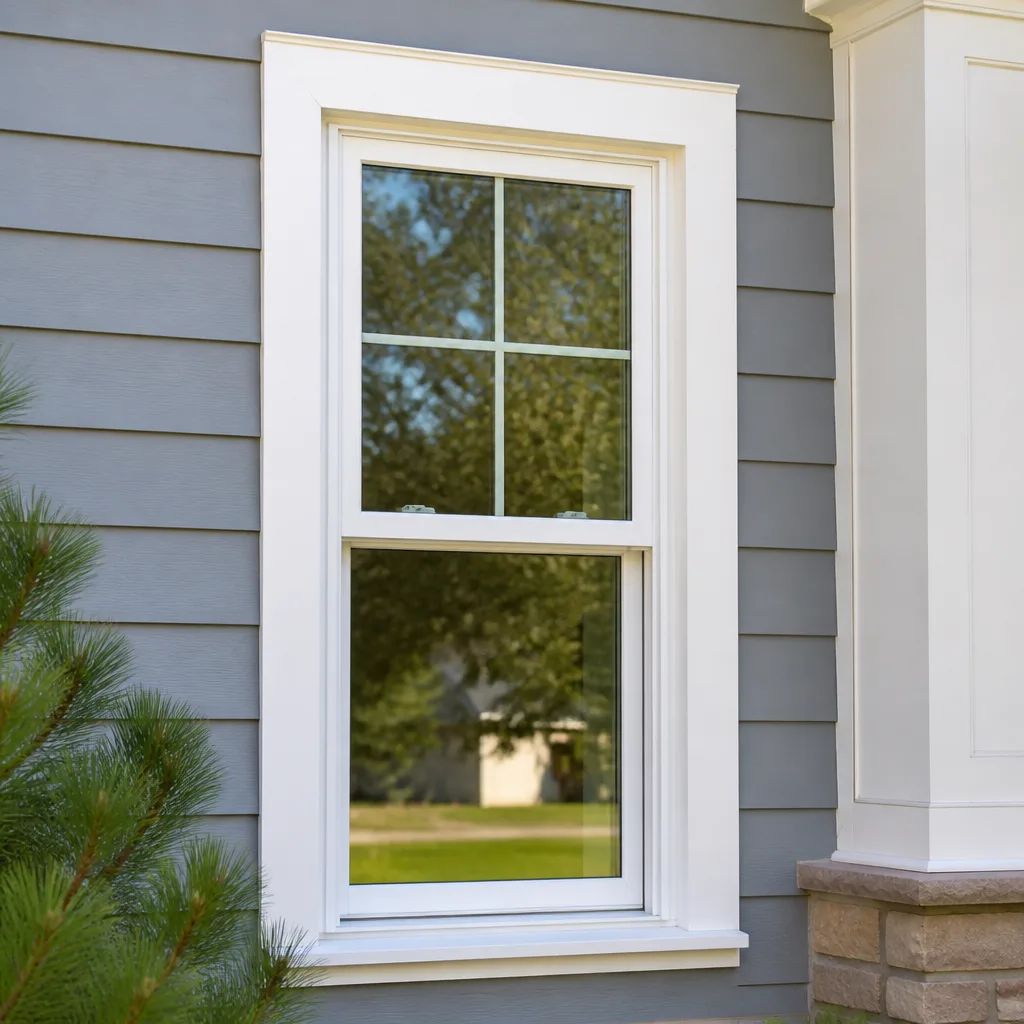
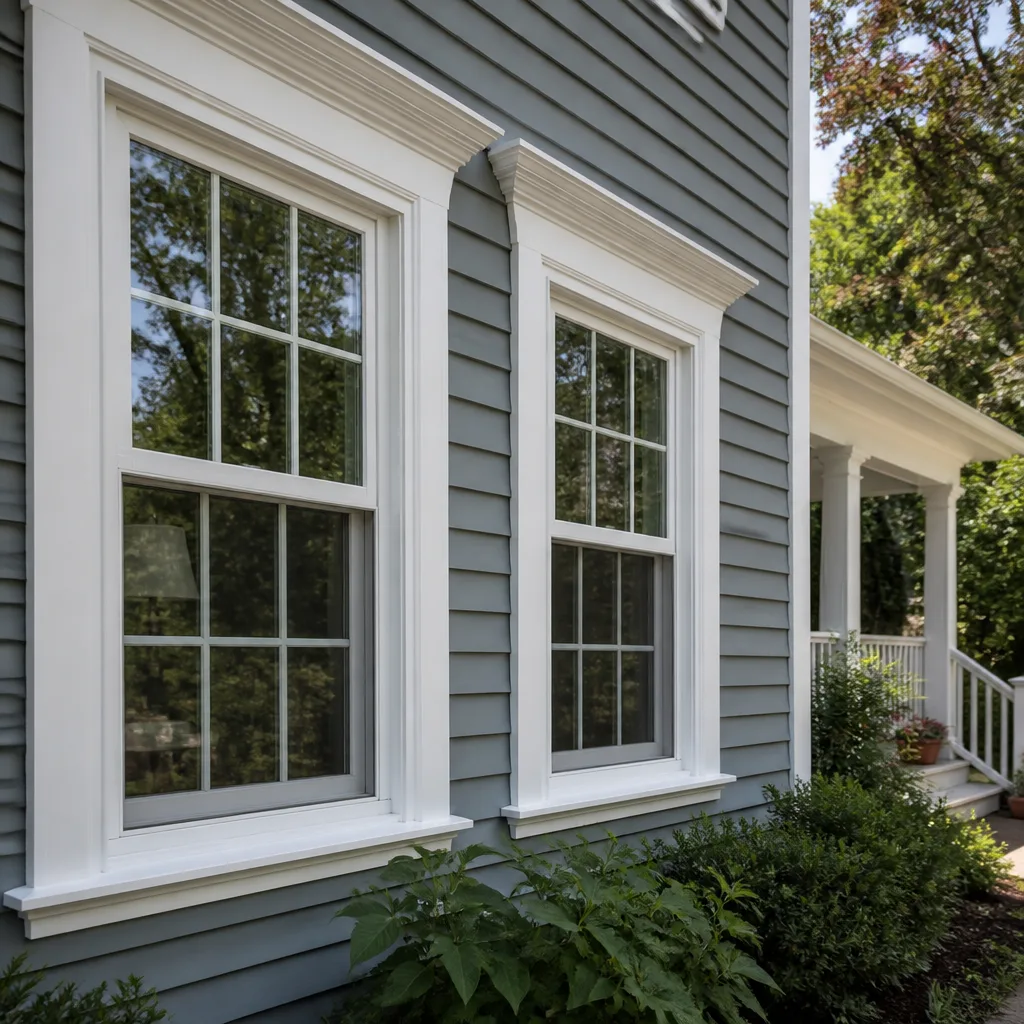
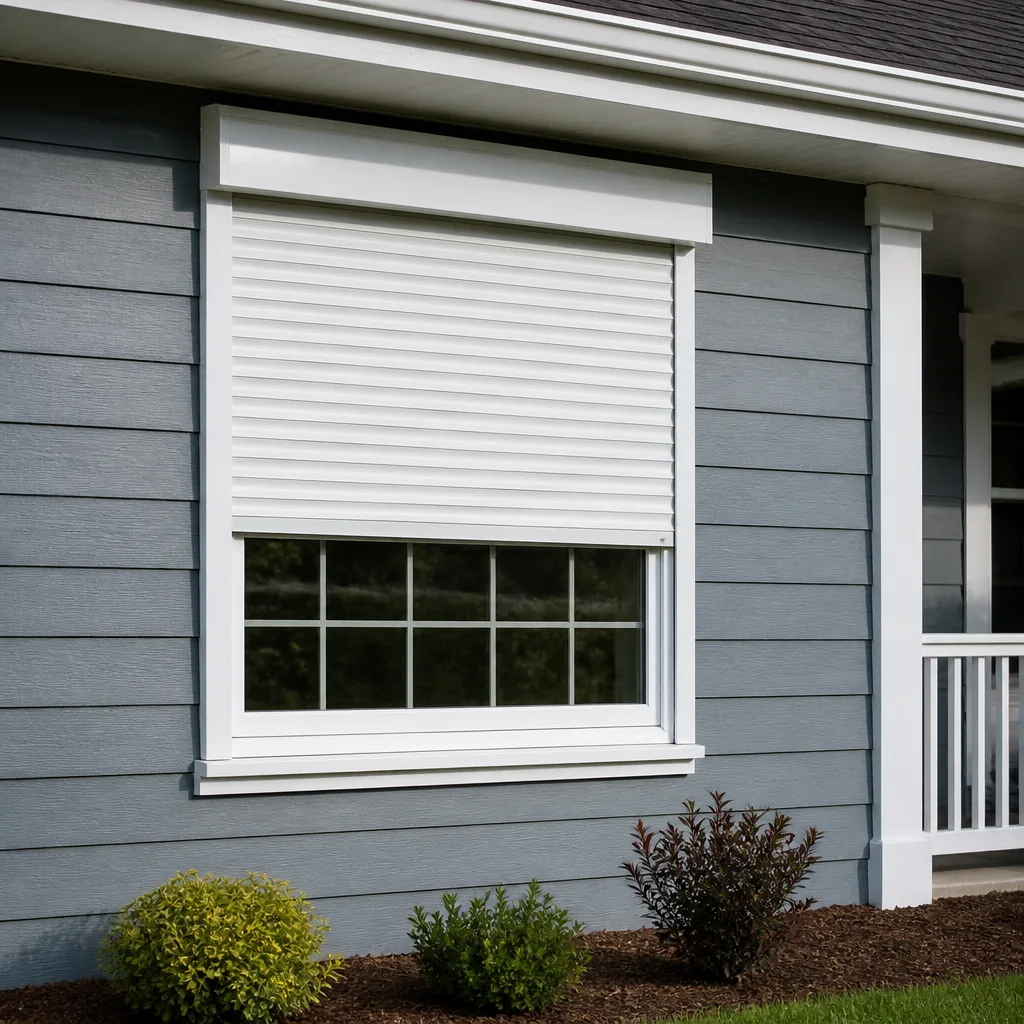
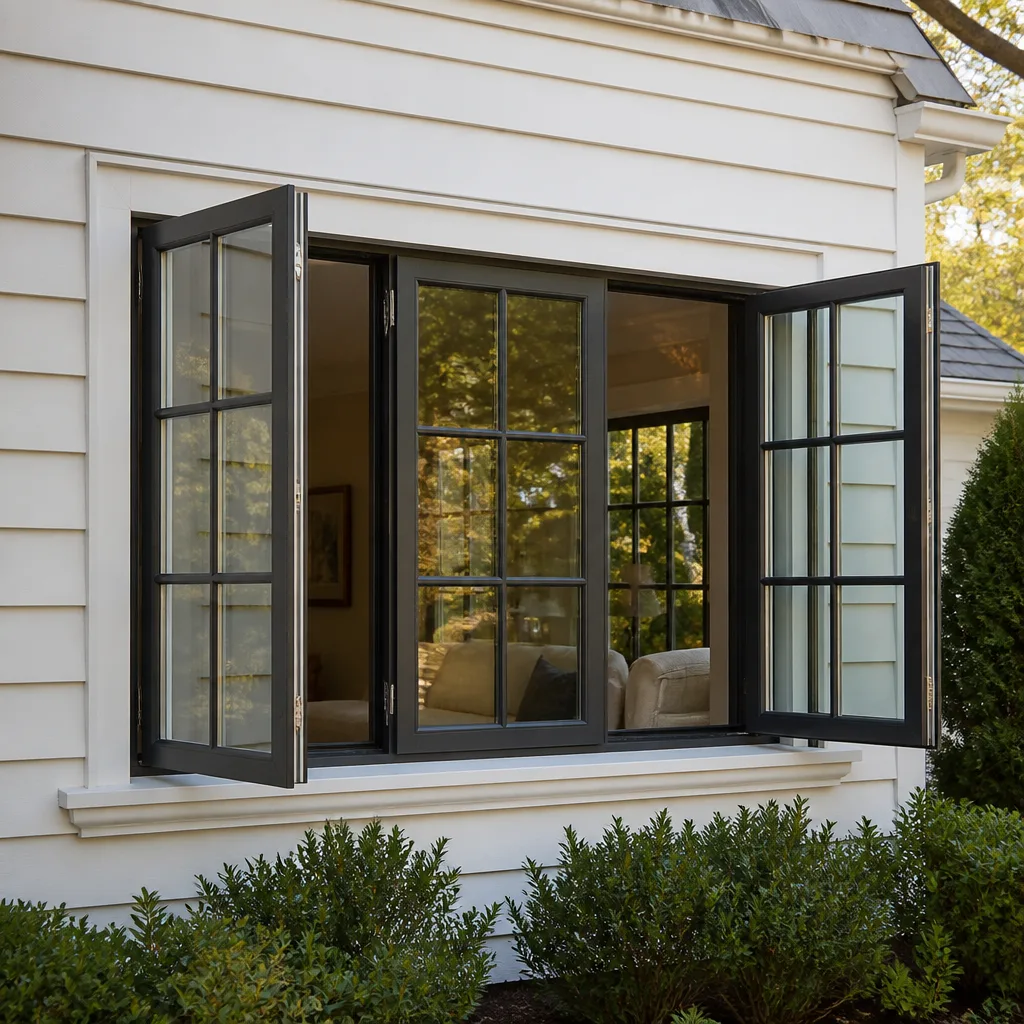
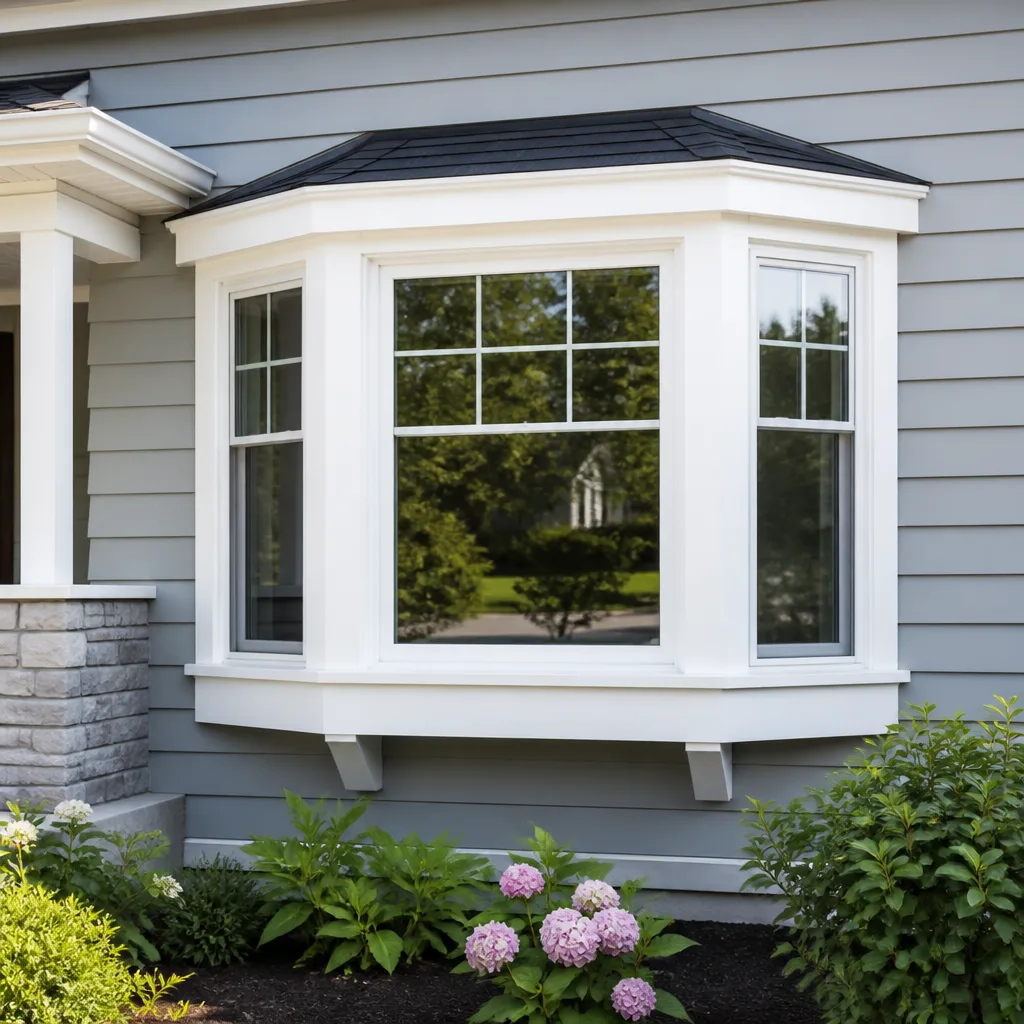
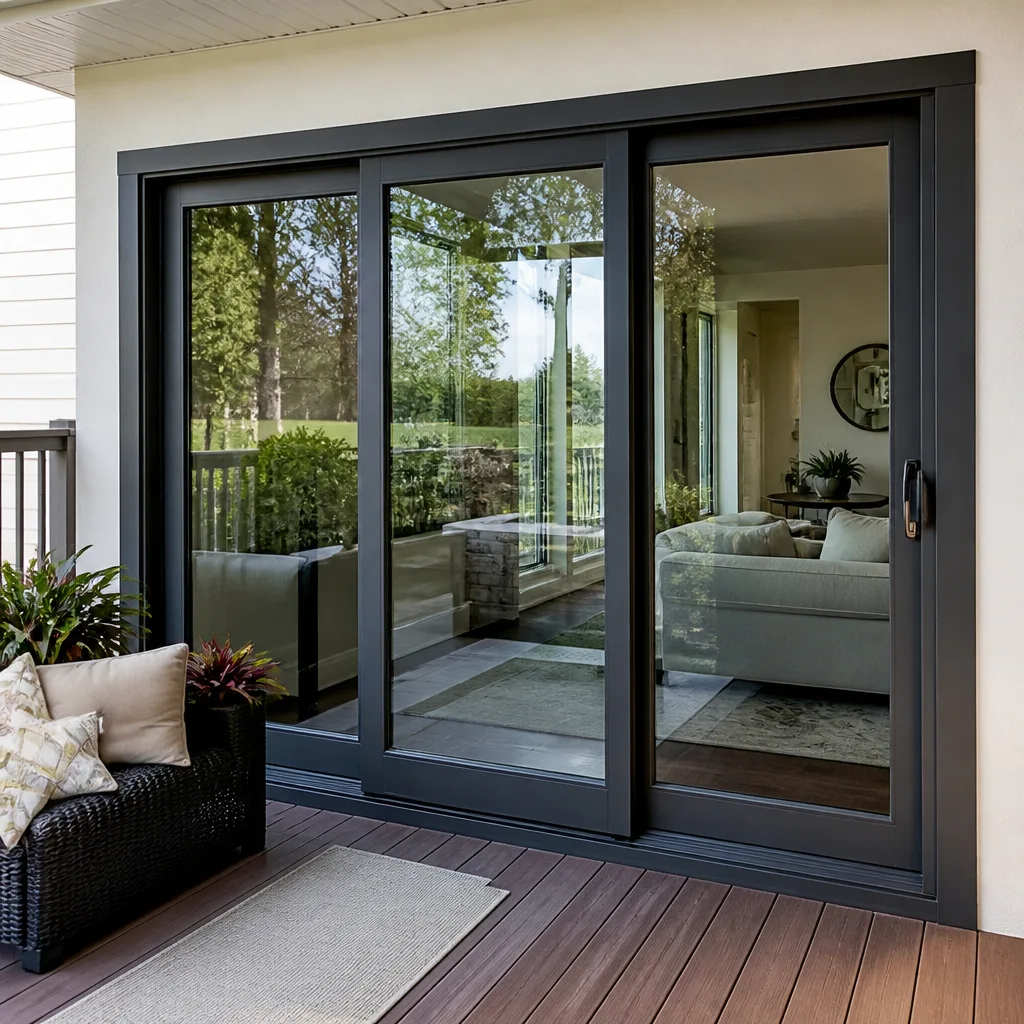
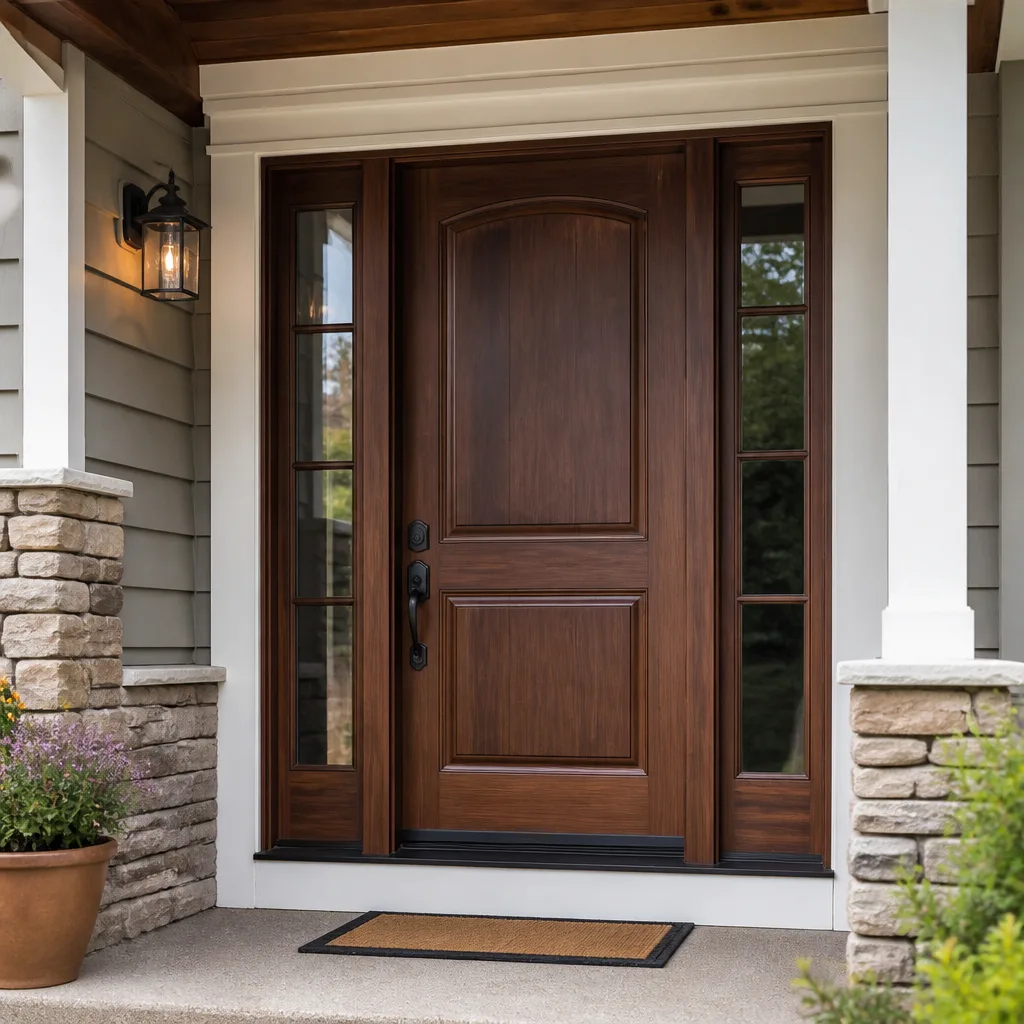

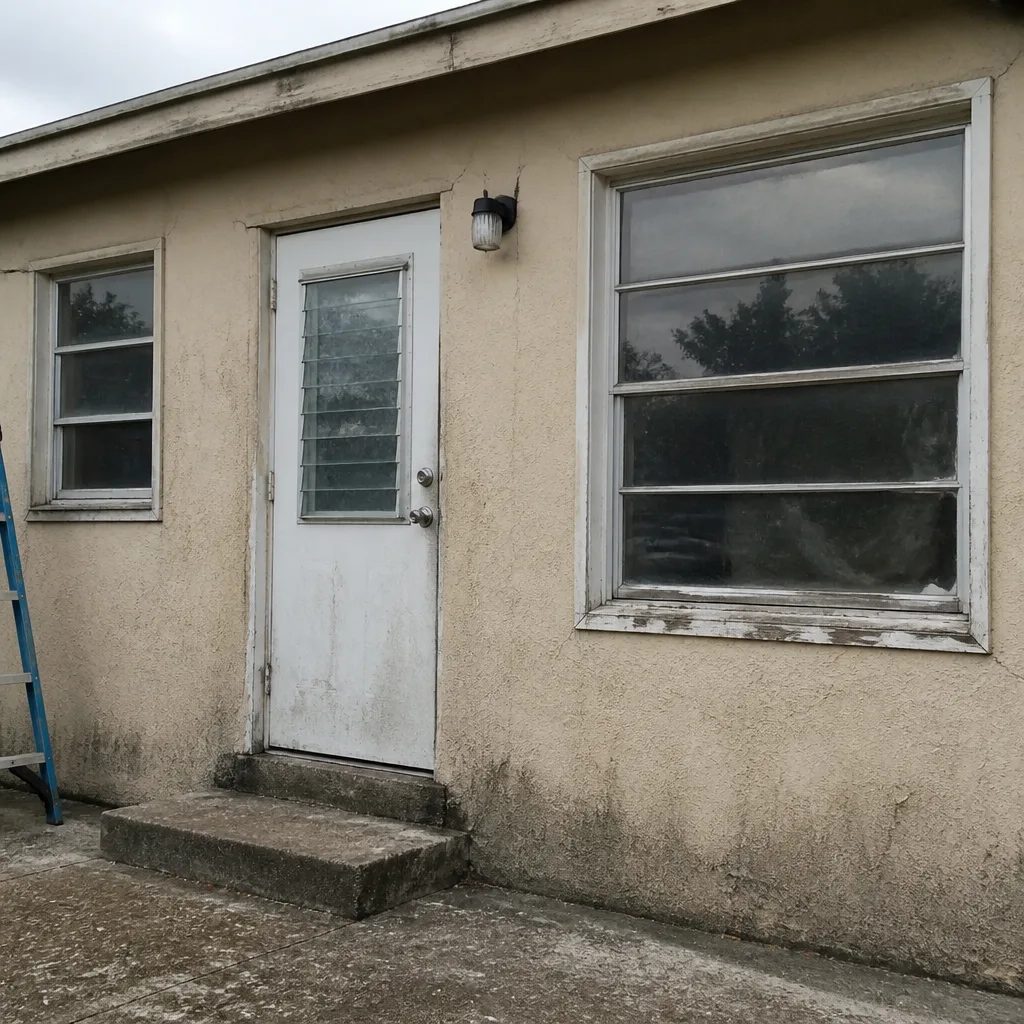 Before
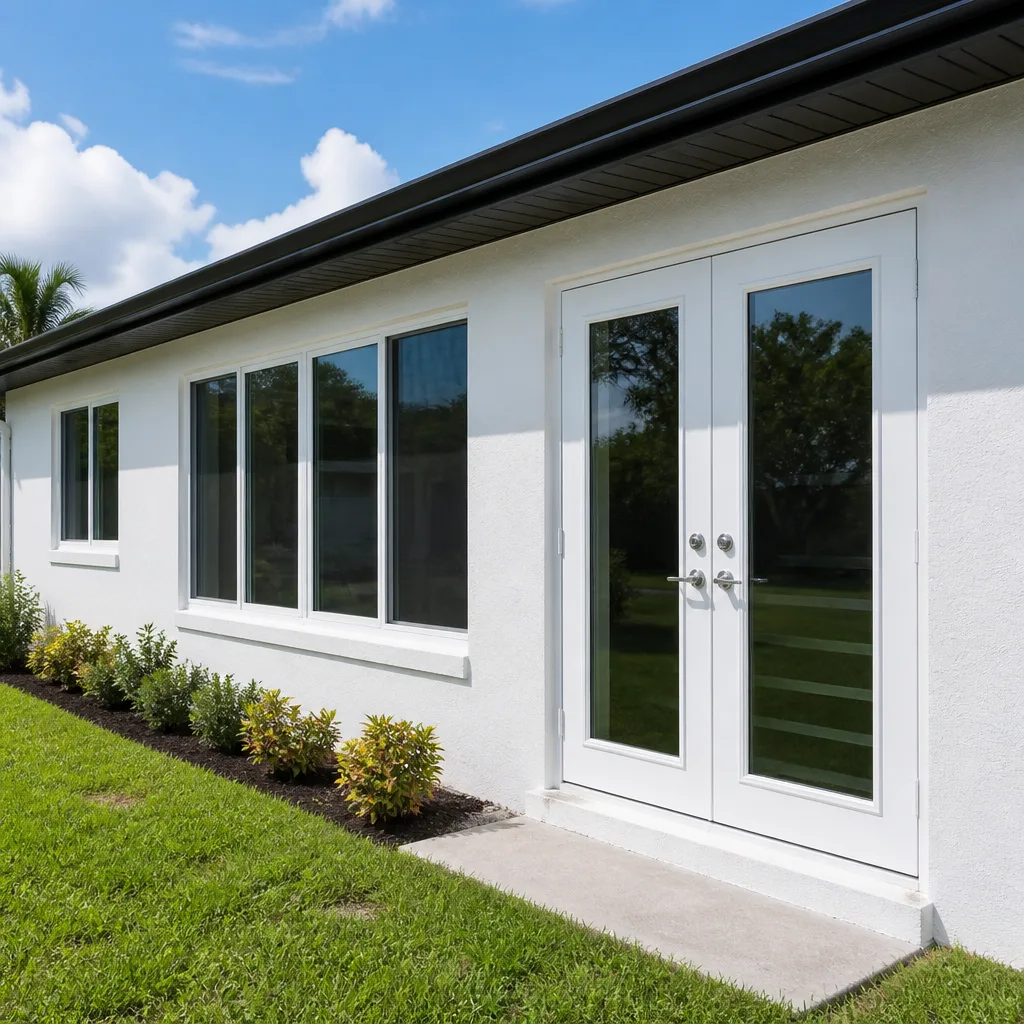 After
After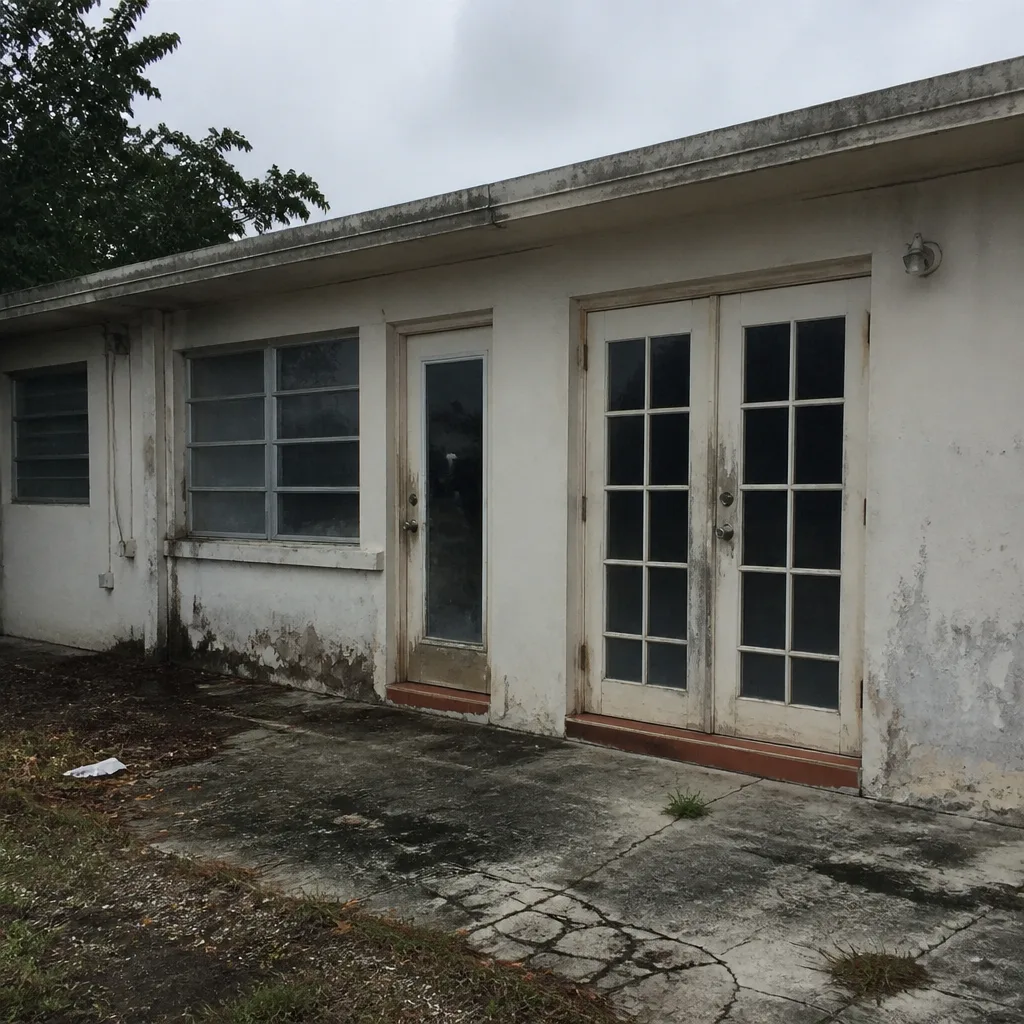 Before
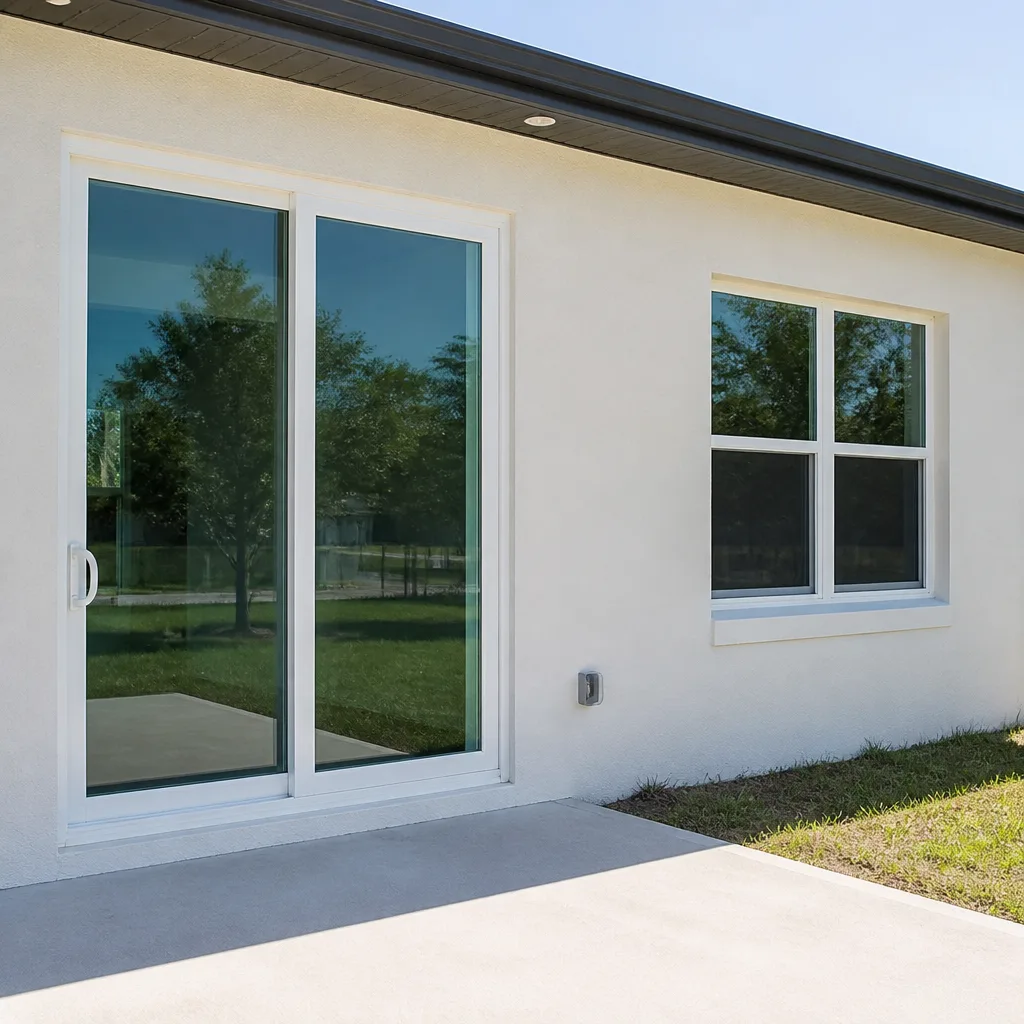 After
After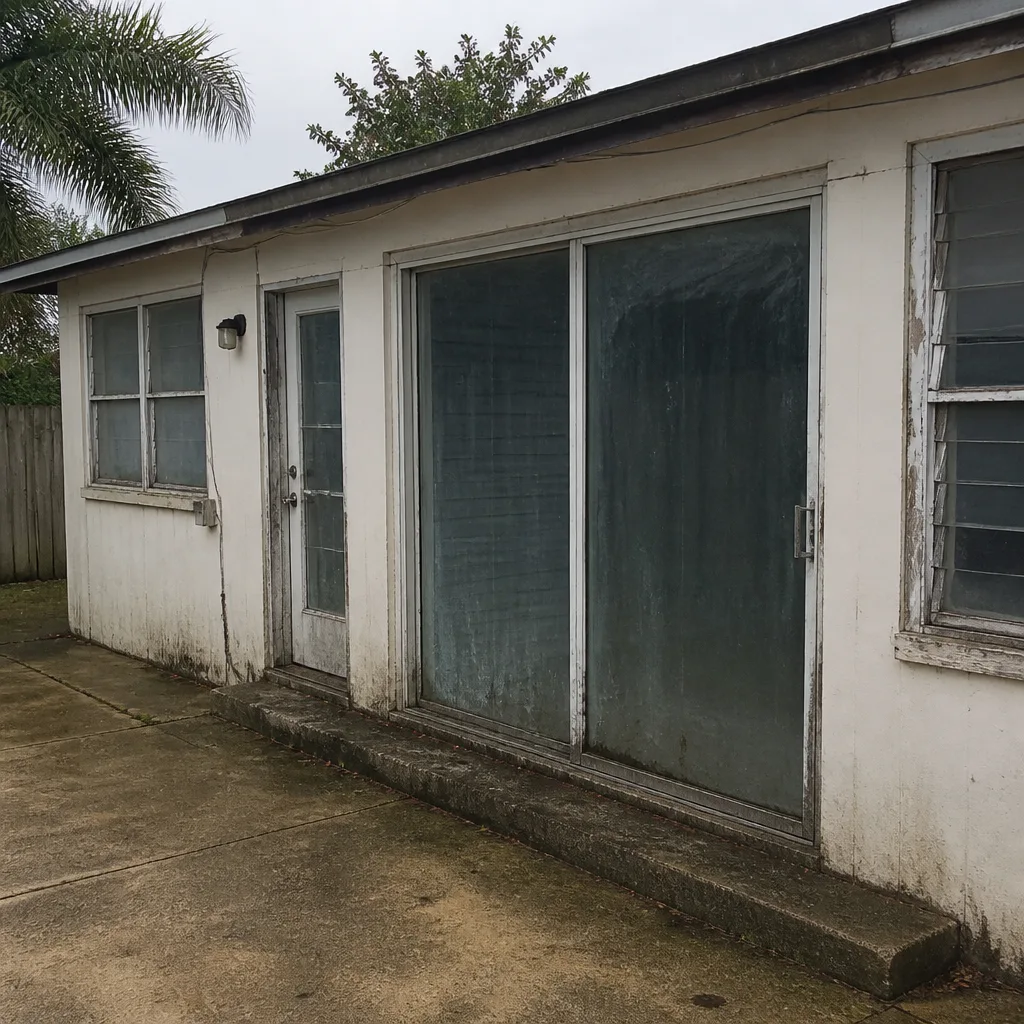 Before
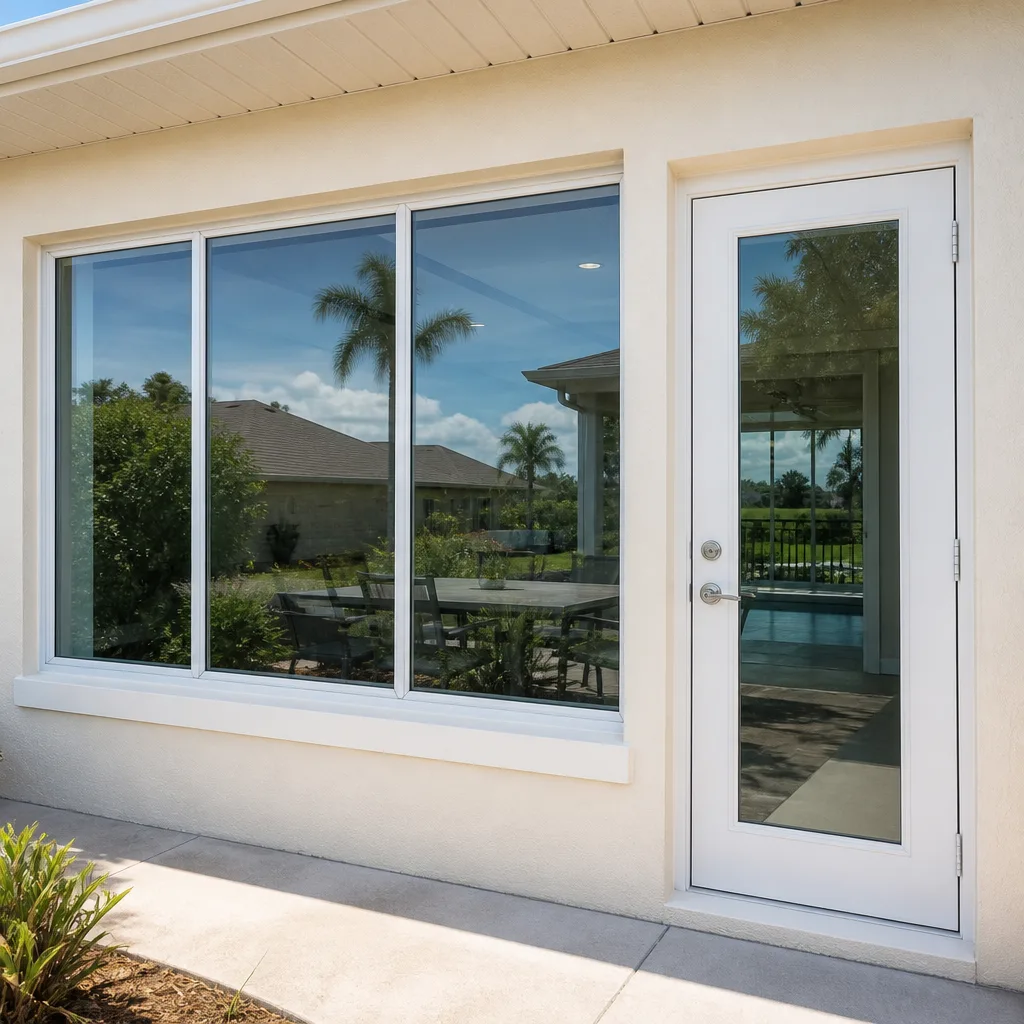 After
AfterWindow Installation Maintenance Checklist for Belle Glade Homeowners
Sugarcane burn season in the Glades runs roughly October through April, and the fine particulate that settles on every exposed surface during those months is a documented cause of window drainage failure that no generic Florida checklist addresses. We’ve inspected homes in Belle Glade where weep holes were completely occluded by ash and soil residue, trapping condensation against vinyl frames until the glazing seal degraded. This guide maps every maintenance task to the calendar events that actually matter here: harvest smoke season, peak Atlantic storm track months, and the sharp winter temperature swings that stress hardware in ways coastal Florida never sees. You’ll get a month-by-month schedule, the specific tools and times each task requires, and clear boundaries between what you can handle and what requires a licensed contractor to preserve your warranty.
Quick Answer
Window installation maintenance in Belle Glade means inspecting weep holes quarterly for sugarcane burn-season particulate, testing hardware before November storm preparation, and documenting frame and seal conditions with dated photos after each check. Most homeowners can clear drainage paths and lubricate tracks themselves, but impact-rated window warranty terms require licensed contractor involvement for any glazing, frame, or structural seal work. The full checklist below breaks down each task by season, tool, and time required.
Table of Contents
- Why Belle Glade Climate Damages Windows Differently
- Month-by-Month Maintenance Schedule
- Weep Holes and Drainage Systems: The Critical Task
- Hardware Inspection in High Humidity
- Glass and Seal Condition Checks
- Using Your Post-Installation Photo Record
- DIY vs. Contractor: What Preserves Your Warranty
- Common Mistakes to Avoid
- When to Call a Professional
- Frequently Asked Questions
- The Bottom Line
 Before
 After
AfterWhy Belle Glade Climate Damages Windows Differently
Belle Glade sits at the southeastern edge of Lake Okeechobee, roughly 17 feet above sea level, in a subtropical inland climate that behaves nothing like Miami or West Palm Beach. The Glades experience wider daily temperature swings than coastal South Florida, humidity that stays above 75 percent for months without the salt-air corrosion that coastal homeowners expect, and a unique particulate load during sugarcane harvest that coats surfaces with alkaline ash and fine soil.
These conditions create specific failure modes:
- Thermal cycling stress: Winter nights in Belle Glade can drop into the low 40s, with afternoons reaching the high 70s. That 30-plus degree daily swing expands and contracts vinyl and aluminum frames at rates that stress corner welds and glazing tape adhesion. Coastal areas with maritime temperature moderation see roughly half that range.
- Sustained humidity without salt: Inland humidity corrodes steel hardware differently than salt air. Zinc-plated screws and hinges in Belle Glade develop white zinc oxide rather than red rust, which looks less alarming but penetrates just as deeply. We’ve replaced sash locks in the Lake Harbor area where the internal spring mechanism had seized from oxide buildup while the exterior still appeared serviceable.
- Particulate infiltration: The sugarcane harvest burns roughly 400,000 acres annually in Palm Beach County and the western Glades. The resulting ash contains silica and calcium compounds that are mildly abrasive and hygroscopic, meaning they attract moisture. When this material packs into weep holes or track channels, it forms a cement-like residue that standard cleaning won’t remove.
- Storm preparation cycles: Belle Glade homes face genuine hurricane exposure, not just tropical storm fringe effects. Pre-storm plywood or shutter installation, followed by post-storm removal, often loosens fasteners and distorts frame alignment in ways that accumulate over multiple seasons.
Generic Florida window maintenance assumes salt corrosion and occasional tropical storms. The window installation in Belle Glade that lasts is built against the Glades’ actual conditions: wide thermal swings, harvest particulate, and repeated storm-prep cycles.
Month-by-Month Maintenance Schedule
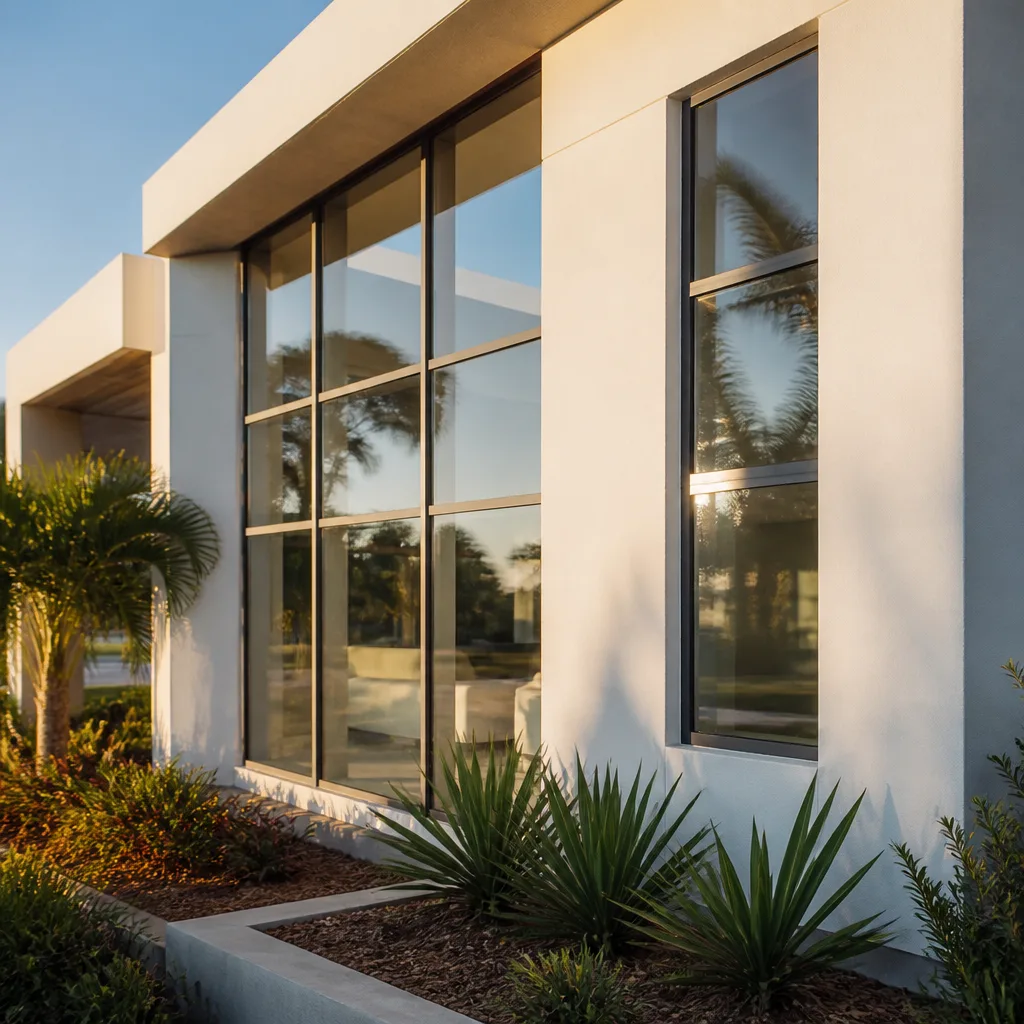
We’ve organized this schedule around the events that actually appear on a Belle Glade calendar, not abstract seasonal divisions. Each task lists the tool required and realistic time for a typical single-family home with 12-15 windows.
January-February: Post-Burn-Season Recovery
By late January, most burning has paused. The particulate layer is at its thickest, and winter temperature swings are near peak.
- Clear and test all weep holes - 45 minutes. Tools: compressed air canister with straw nozzle, pipe cleaner, flashlight, spray bottle with water. Method below in the weep hole section.
- Inspect glazing tape at frame corners - 20 minutes. Look for separation or bubbling where thermal expansion has stressed the bond. Document with dated photos.
- Check sash lock alignment - 15 minutes. Cold nights contract frames; misaligned locks that worked in October may now require force to engage, which strips screws.
March-April: Pre-Humidity Hardware Check
Before the wet season begins, verify that hardware will function through six months of 80-plus percent humidity.
- Lubricate hinges and rollers - 30 minutes. Use silicone spray, not WD-40, which attracts dust. Work each component through full range of motion.
- Tighten all visible fasteners - 20 minutes. Check sash lock screws, hinge screws, and track mounting screws. The thermal cycling of January-February loosens these predictably.
- Test emergency egress function - 10 minutes. Every bedroom window must open without tools from inside. Humidity swells wood frames and jams vinyl tracks.
May-June: Storm Season Preparation
Atlantic hurricane season begins June 1. Belle Glade’s position northwest of the Lake means storm surge is less concern than wind-borne debris and sustained pressure cycling.
- Verify impact-rated label legibility - 10 minutes. Florida Building Code requires visible product approval numbers. Faded labels complicate insurance claims and resale inspections.
- Inspect shutter or plywood fastening points - 20 minutes. Check for frame distortion from previous installations. Document with photos.
- Clean tracks and drainage channels - 30 minutes. Remove accumulated pollen and early-season debris before summer storms overwhelm drainage capacity.
July-September: Peak Storm Monitoring
No scheduled maintenance during active storm periods. After any named storm passes within 50 miles:
- Inspect for pressure-induced seal failure - 15 minutes. Look for fogging between panes or corner seal distortion. Rapid pressure changes stress insulated glass units disproportionately.
- Check weep hole function after heavy rain - 10 minutes. Water should drain freely from the sill track; pooling indicates blockage.
October-November: Burn Season Begins
Harvest activity resumes. This is your last scheduled inspection before particulate accumulation accelerates.
- Apply light silicone film to track surfaces - 25 minutes. This prevents ash from adhering directly to vinyl and simplifies January cleaning.
- Verify weatherstrip compression - 15 minutes. Close and lock each window; the weatherstrip should compress evenly. Uneven compression admits particulate.
December: Documentation Review
30 minutes. Compare current photos to post-installation photo record. Note changes. Schedule contractor visit if degradation exceeds prior-year progression.
Weep Holes and Drainage Systems: The Critical Task
This is the task that separates Belle Glade maintenance from every generic Florida guide. Weep holes are the small openings, typically 1/8 to 3/16 inch, drilled through the exterior sill of vinyl or aluminum windows to allow condensation and track wash water to exit the frame cavity. When blocked, water pools against the sill, saturates the glazing tape, and eventually breaches the seal between glass and frame.
In Belle Glade, weep holes fail differently than elsewhere. The sugarcane burn particulate is finer than typical pollen or dust, alkaline rather than acidic, and often contains residual plant oils that make it adhere to vinyl. We’ve extracted weep hole blockages in the Belle Glade city limits that were solid enough to require mechanical drilling, composed of layered ash, spider silk, and calcium deposits from evaporated hard water.
Tools Required
- Compressed air canister with plastic straw nozzle (not metal, which can deform the weep hole)
- Pipe cleaners or soft bottle brushes, 1/8 inch diameter
- Flashlight or borescope for interior inspection
- Spray bottle with clean water
- Small container to catch debris
- Replacement weep hole covers if originals are damaged (available from PGT, CGI, or ViewLux dealers)
Step-by-Step Clearing Procedure
- Locate all weep holes. Typical double-hung or horizontal roller windows have 2-4 weep holes per sill, often concealed by a snap-on cover or flap. Check both the main sill and any intermediate horizontal member.
- Remove covers carefully. Plastic weep hole covers become brittle after 3-4 years of UV exposure. Work them off with a flat plastic tool, not a metal screwdriver.
- Test airflow first. Hold the straw nozzle 1/2 inch from the weep hole and give a short burst. If air flows freely through to the interior track, the hole is clear. If back-pressure builds, blockage is present.
- Mechanical clearing. Insert pipe cleaner gently until resistance is met. Rotate, withdraw, and inspect debris. Repeat until pipe cleaner passes through freely. Never force wire or drill bits; the interior channel can be deformed.
- Flush verification. Spray water into the track above the weep hole. It should exit the exterior weep hole within 10 seconds. If water pools or drains slowly, partial blockage remains.
- Replace covers. Verify they snap fully into position. Missing or loose covers admit insects and accelerate future blockage.
Time required: 3-5 minutes per window for accessible ground-floor units; 8-10 minutes if ladder access is needed. A typical Belle Glade home with 12 windows requires 45-60 minutes total.
Frequency: Test airflow monthly during burn season (October-April), clear mechanically in January-February, and verify after any heavy pollen event or dust storm.
Hardware Inspection in High Humidity
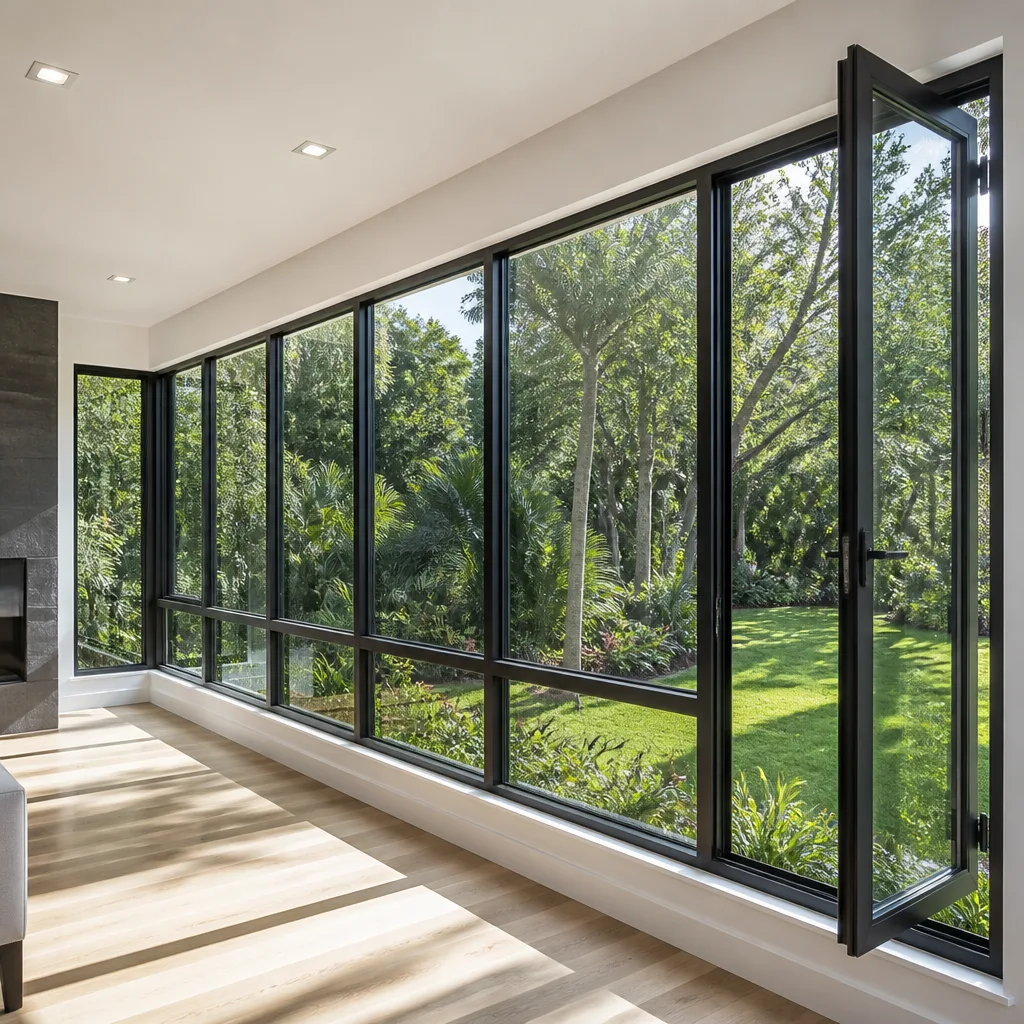
The hardware points that degrade fastest in Belle Glade’s sustained humidity are not always the most visible. We’ve learned this from warranty calls across Palm Beach County: the failure that prevents a window from locking properly often begins inside a component that looked fine from the exterior.
Sash Locks and Keepers
Double-hung and single-hung windows rely on a sash lock that engages a keeper on the opposing rail. In humidity, the internal cam mechanism corrodes before the exterior handle shows wear. Test by engaging the lock with light pressure, then attempting to open the sash without disengaging the lock. Any movement indicates cam wear or keeper misalignment.
Adjustment: Most keepers are slotted for horizontal adjustment. Loosen mounting screws, reposition for tighter engagement, and retest. If the cam mechanism itself is worn, replacement is required. For PGT or CGI windows, replacement locks are available through authorized dealers; generic hardware often lacks the precise geometry for proper engagement.
Hinges and Friction Stays
Casement and awning windows depend on friction stays, the hinged arms that control opening angle and hold position. These contain steel springs and pivot pins that corrode internally. Test by opening the sash to 45 degrees; it should hold position without drifting. If the sash falls or requires excessive force to move, the friction stay is failing.
Replacement requires removing the sash from the frame, which for impact-rated units means disturbing the glazing seal. This is contractor territory for warranty preservation.
Threshold Sweeps and Weatherstripping
Sliding glass doors and horizontal roller windows use pile weatherstrip or bulb seals at the meeting rail and frame edges. In Belle Glade’s humidity, these materials compress permanently and lose resilience faster than manufacturer specifications suggest. The 7-year replacement interval common in drier climates shortens to 4-5 years here.
Inspect by closing the door or sash against a sheet of paper. The paper should resist withdrawal with light tension. If it slides freely, compression has failed and air infiltration is occurring. Replacement weatherstripping must match the original profile exactly; generic replacement from hardware stores rarely seals properly and can increase operating force to the point of hardware damage.
Roller Assemblies
Horizontal sliders and sliding doors use tandem roller assemblies that ride in an aluminum track. Humidity combined with particulate accumulation creates a grinding paste that flat-spots rollers and grooves the track. Test by operating the sash or panel with one finger; it should move with minimal resistance. Binding, noise, or diagonal travel indicates roller wear or track damage.
Replacement rollers are available, but track damage is permanent. Early intervention matters.
Glass and Seal Condition Checks
Insulated glass units, the dual-pane assemblies in modern windows, fail when the edge seal between panes degrades and atmospheric moisture enters the airspace. The visible symptom is interior fogging that cannot be wiped clean. In Belle Glade, seal failure accelerates from three factors: thermal cycling stress, humidity-driven pressure differentials, and UV exposure through the clearer inland atmosphere.
What to Look For
- Interior fogging: Appears first at the edges, progresses toward center. Any fogging between panes indicates seal breach and unit failure.
- Corner seal distortion: The black PIB (polyisobutylene) primary seal should be smooth and uniform. Bubbles, gaps, or material extrusion indicate adhesive failure.
- Glass-to-frame sealant: The secondary seal, typically silicone or polysulfide, should adhere to both glass and frame. Separation at either interface admits water.
- Impact film delamination: For laminated impact-rated glass, the interlayer should be optically clear. Haze, bubbles, or edge separation indicate degradation.
Testing Procedure
- Clean both interior and exterior glass surfaces thoroughly.
- Inspect from multiple angles with strong side-lighting, morning or evening. Direct overhead sun obscures edge defects.
- Photograph any anomaly with date stamp and location note.
- Monitor monthly; progression from slight haze to definite fogging typically takes 2-6 months in Belle Glade’s climate.
Critical distinction: Exterior condensation on the outer glass surface is normal and weather-dependent. Interior condensation on the room-side surface indicates humidity control issues in the home. Fogging between panes is the failure mode requiring unit replacement.
Impact-rated window warranties, including those from PGT and CGI, typically exclude seal failure caused by improper maintenance or unlicensed repair. Documented annual inspection supports warranty claims.
Using Your Post-Installation Photo Record
Every window replacement in Belle Glade that Sightline completes under the Haven Standard includes a documented photo record: frame condition before work, measured survey dimensions, product labels and approval numbers, installation progress, and final as-built conditions. This record is not marketing material; it is evidence that enables precise condition comparison over time.
What the Record Contains
- Pre-installation frame and opening photos: Shows original condition, surrounding wall finish, and any structural anomalies.
- Measured survey document: The dimensions and specifications the customer keeps, identical to the written quote per Haven Clause 1.
- Product identification: Manufacturer labels, NFRC performance ratings (U-factor, SHGC, VT), and Florida Product Approval numbers.
- Installation evidence: Fastener placement, sealant application, flashing integration, and insulation details.
- Final condition photos: Clean glass, operational hardware, and surrounding finish restoration.
Annual Comparison Method
- Locate your photo record, digital or printed. The measured survey document has a reference number that corresponds to the photo set.
- Take current photos from identical positions: same angle, same distance, same lighting conditions if possible. Morning side-lighting reveals seal and frame detail best.
- Compare sequentially: pre-install to current, noting any change in frame alignment, sealant condition, hardware position, or glass clarity.
- Rate changes as stable, progressing, or new. Progressing changes warrant professional evaluation; new changes may indicate acute damage from storm or impact.
The value of this comparison is objective documentation. A homeowner who can show a contractor dated photos of progressive seal distortion receives more precise diagnosis than one describing “some fogging that started a while ago.” For warranty claims, the photo record establishes baseline condition and maintenance diligence.
If your original installation did not include a documented photo record, create one now. Photograph each window from interior and exterior, capture product labels, and note any current anomalies. Date everything. This becomes your baseline for future comparison.
DIY vs. Contractor: What Preserves Your Warranty
Impact-rated window warranties contain specific maintenance and repair requirements. Violating these, even with well-intentioned DIY work, voids coverage. The boundaries are clearer than most homeowners realize.
Homeowner-Permitted Tasks
These tasks, performed with appropriate tools and without disassembling sealed components, preserve warranty coverage:
- Weep hole clearing and cover replacement
- Track cleaning and light silicone lubrication
- Weatherstripping replacement with identical profile material
- Sash lock keeper adjustment (slotted screws only, not lock replacement)
- Hardware tightening with correct driver size
- Glass cleaning with non-abrasive products
- Photo documentation and condition monitoring
Contractor-Required Tasks
These tasks require a licensed window and door contractor to preserve warranty coverage from PGT, CGI, ViewLux, and other manufacturers:
- Glass unit replacement or reglazing
- Frame disassembly for hardware access
- Sealant removal or reapplication at glass-to-frame interface
- Structural fastener addition or relocation
- Impact film or laminated glass repair
- Product approval label replacement
- Any modification to the frame, sash, or glazing system
The Documentation Requirement
Manufacturer warranty claims require proof of proper maintenance and licensed repair. For Sightline installations, the Haven Standard provides this automatically: the photo record, the written scope, and the 365-Day Done Right Promise create a documentation chain that supports any future claim. For installations by others, maintain your own records: receipts for maintenance supplies, photos of work performed, and contractor licenses and invoices for any professional service. See our Windows & Doors Permits, Codes & Inspections in FL: What You Need to Know for regulatory requirements.
The door installation in Belle Glade follows identical principles; sliding glass door systems have the same warranty boundaries between homeowner maintenance and contractor-required repair.
Common Mistakes to Avoid

- Using a pressure washer on windows. The 2,000-plus PSI stream forces water past weatherstripping and into frame cavities, saturating insulation and promoting mold. We’ve documented this damage in Belle Glade homes where homeowners attempted “deep cleaning” before hurricane season.
- Applying WD-40 to window tracks. The petroleum base attracts and binds particulate, creating the exact grinding paste that destroys rollers. Silicone spray only; dry Teflon lubricant for extreme dust conditions.
- Ignoring weep holes until water is visible inside. By the time interior water appears, the glazing tape has been saturated for weeks or months. The damage is already progressive. Quarterly airflow testing prevents this.
- Replacing hardware with generic equivalents. Big-box store sash locks may appear identical but lack the precise cam geometry for PGT or CGI keepers. Improper engagement strips screws and distorts frames. Source replacements from the original manufacturer or authorized dealer.
- Storm-prep screwing plywood directly to window frames. This violates Florida Building Code and voids warranties. Approved fastening systems use structural anchors into the wall framing, not the window product. The frame distortion from direct plywood attachment is cumulative and irreversible.
- Waiting for “spring maintenance” in a climate without spring. Belle Glade’s relevant calendar events are burn season, wet season, and storm season. A March task postponed to May misses the pre-humidity window and enters the storm-prep crunch.
- Discarding product labels and approval documentation. Resale inspections and insurance claims require visible Florida Product Approval numbers. Photograph labels before they fade; store documentation with your home records.
When to Call a Professional
Call a licensed window and door contractor when you observe fogging between glass panes, frame distortion or separation at corners, hardware that requires excessive force or fails to engage, water intrusion at the interior sill or wall below the window, or impact damage to glass or frame from debris or storm conditions. These conditions indicate sealed-component failure or structural compromise that homeowner maintenance cannot address.
Also call when your annual photo comparison shows progressive change from prior years, even if current function seems acceptable. Early intervention on seal distortion or hardware wear prevents the cascading damage that requires full unit replacement.
Sightline Windows & Doors Belle Glade offers free estimates in Belle Glade. Browse more guides & resources for regional maintenance advice. Our measured survey produces a written scope and price before any work is considered, and every visit generates a documented photo record. Call (561) 286-4734 to schedule. We also provide free second opinions on any written estimate from another contractor.
Frequently Asked Questions
Inspect weep holes monthly during sugarcane burn season from October through April, test hardware before the wet season begins in May, and conduct a full condition review with photo documentation in December. This schedule addresses the specific particulate and thermal stress patterns of the Glades climate, not generic seasonal advice.
Professional inspection and maintenance service for a typical single-family home runs $150-$300 for labor, plus materials if weatherstripping or hardware replacement is needed. Full unit replacement for failed sealed glass ranges from $400-$900 per opening depending on size, impact rating, and frame material. See our Windows & Doors Cost Breakdown: The Belle Glade Homeowner’s Reference for 2026 for detailed pricing factors. Sightline provides written line-item quotes before any work begins. Call (561) 286-4734 for an exact figure; estimates are free.
Homeowners can clear weep holes with compressed air, pipe cleaners, and water flush without affecting warranty coverage, provided they use plastic tools, avoid mechanical deformation of the channel, and replace covers properly. If weep holes require drilling or if the interior channel is damaged, stop and call a licensed contractor.
At Sightline, the written quote from the measured survey is the final price. Haven Clause 1 states that the measurement and the quote are the same document. If concealed damage is discovered after work begins, we document it, explain the scope change, and obtain written approval before proceeding. No surprises.
Impact windows require identical weep hole and hardware maintenance, but with stricter warranty boundaries for who performs the work. The laminated glass interlayer and reinforced frame cannot be modified by homeowners without voiding coverage. Annual professional inspection is advisable for impact-rated products, particularly after named storm exposure.
Condensation on the interior room-side surface indicates high indoor humidity and responds to ventilation or dehumidification. Fogging between glass panes that cannot be wiped from either side indicates seal failure and requires unit replacement. In Belle Glade’s climate, seal failure typically progresses from edge haze to center fogging over 2-6 months; photograph monthly to track progression.
The Bottom Line
Window maintenance in Belle Glade succeeds when it respects the Glades’ actual conditions: sugarcane harvest particulate that demands quarterly weep hole attention, wide winter thermal swings that loosen hardware before the wet season, and storm preparation cycles that stress frames repeatedly. The checklist above maps each task to the calendar event that drives it, with specific tools, times, and boundaries between homeowner maintenance and contractor-preserved warranty work. Maintain your photo record, document changes annually, and intervene early on progressive conditions. The cost of scheduled maintenance is always lower than the cost of seal failure or hardware damage that requires full unit replacement.
Call (561) 286-4734 to schedule your free estimate with Sightline Windows & Doors Belle Glade. Our measured survey produces a written price you keep, and every job is completed under the Haven Standard with documented photo evidence and the 365-Day Done Right Promise.
Written by Sonia Raman, Owner at Sightline Windows & Doors Belle Glade, serving Belle Glade since 2012.