
Last updated September 24, 2026
Free in-home measure and quote - PGT, CGI and CWS impact lines compared on your actual openings, style by style
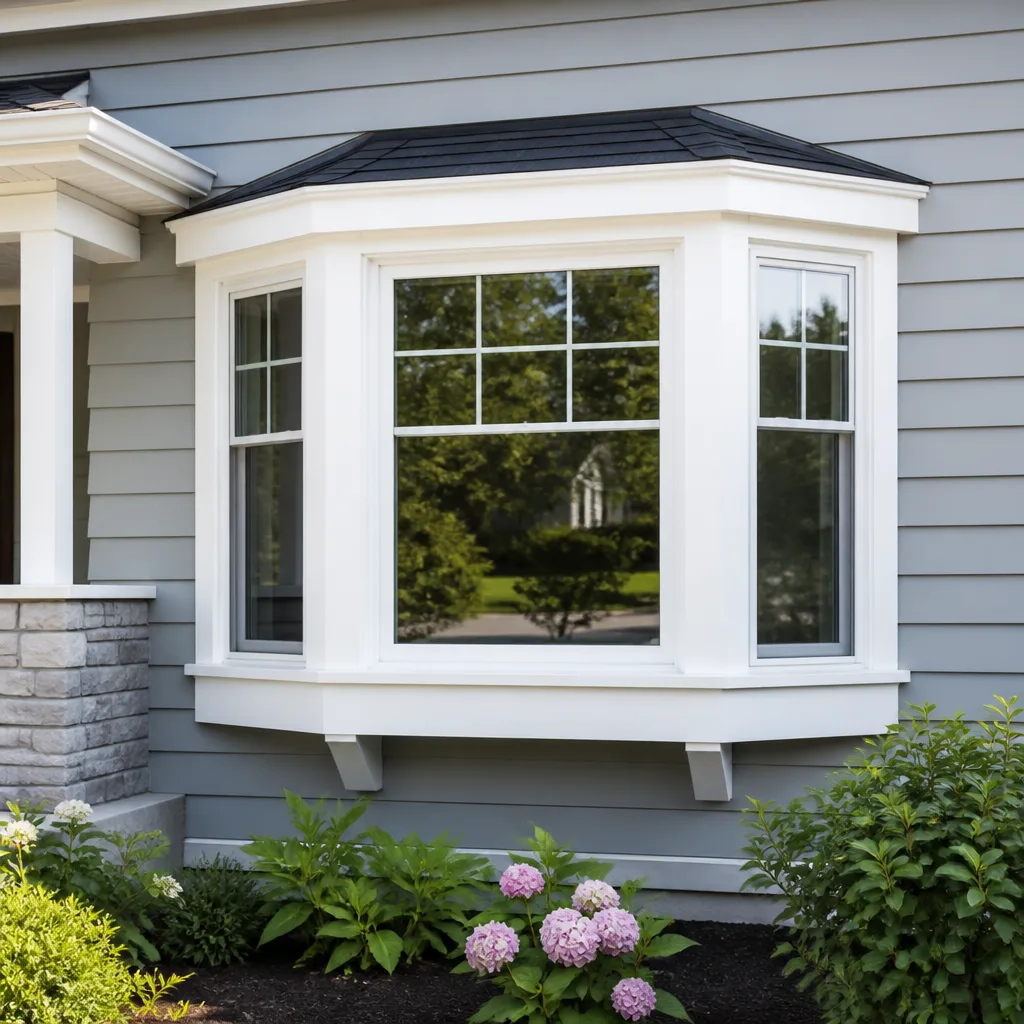
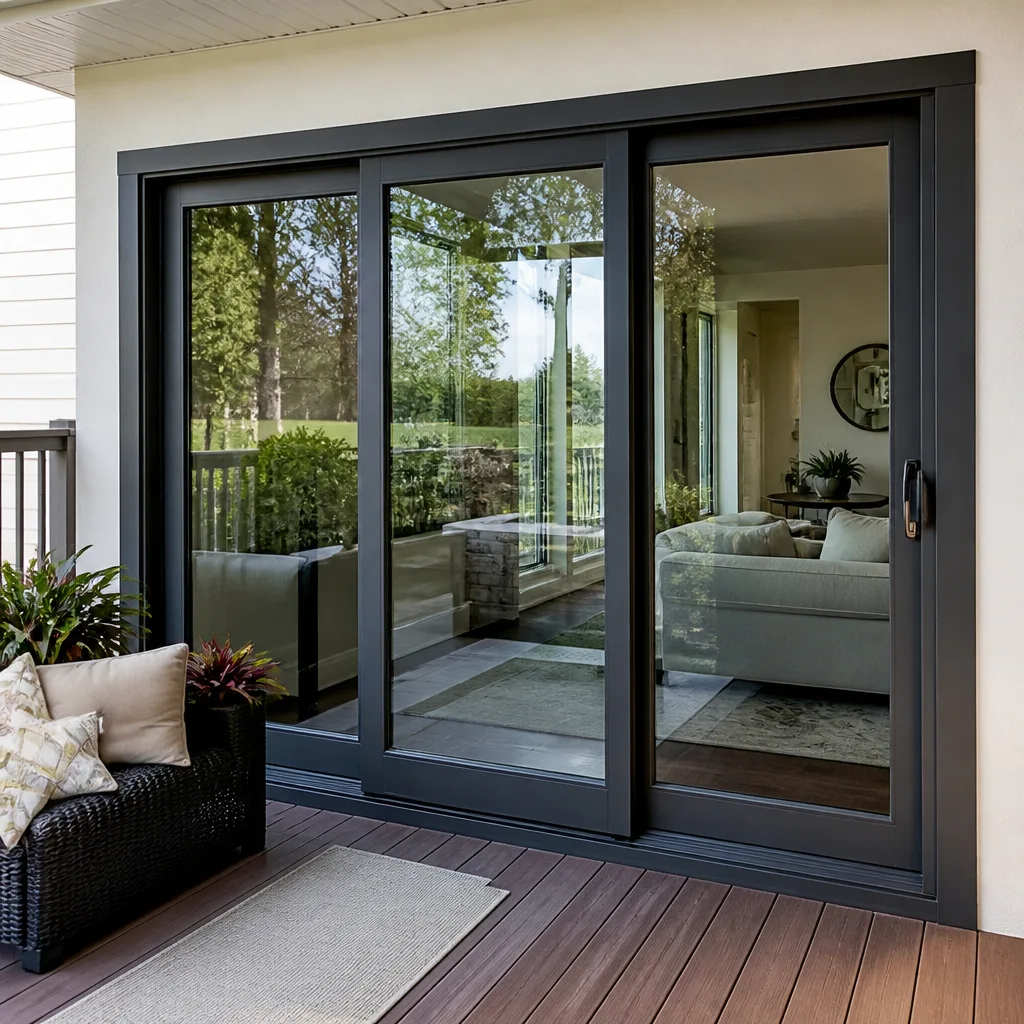
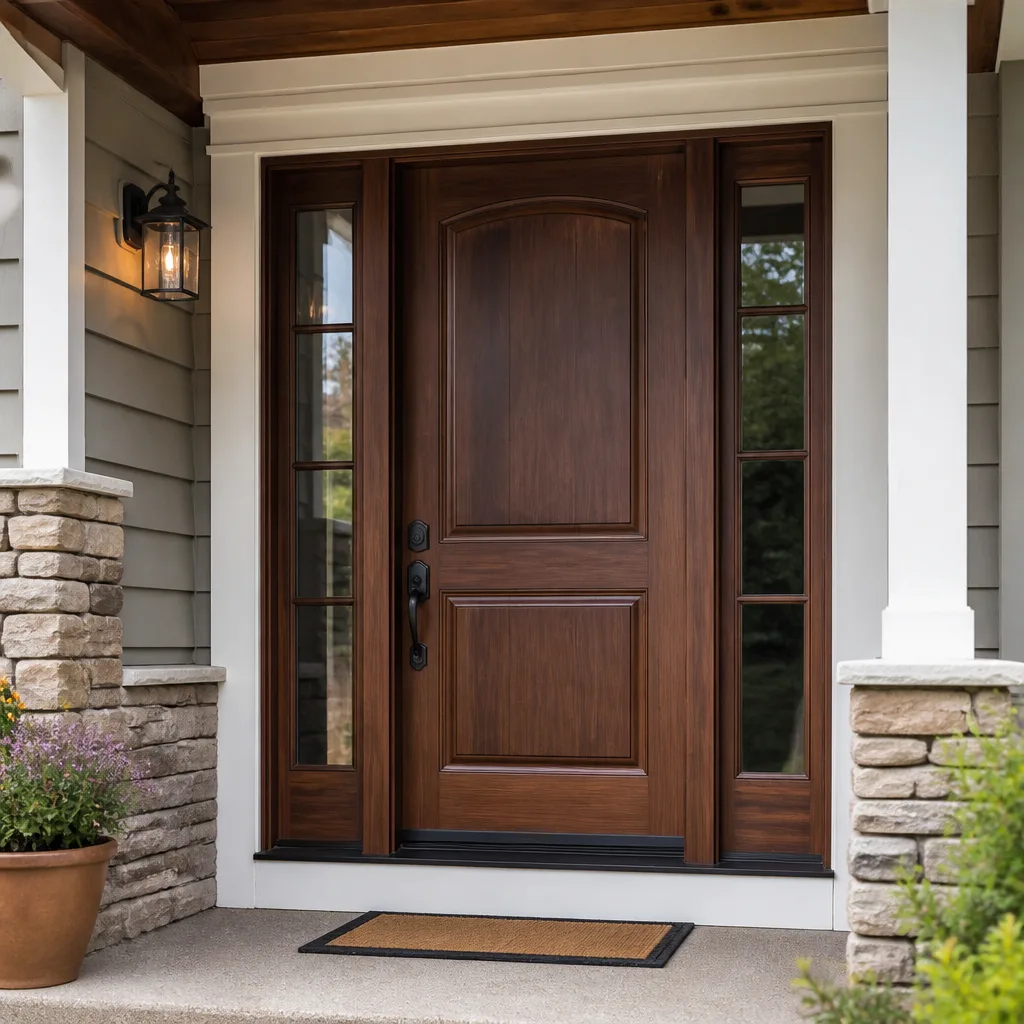
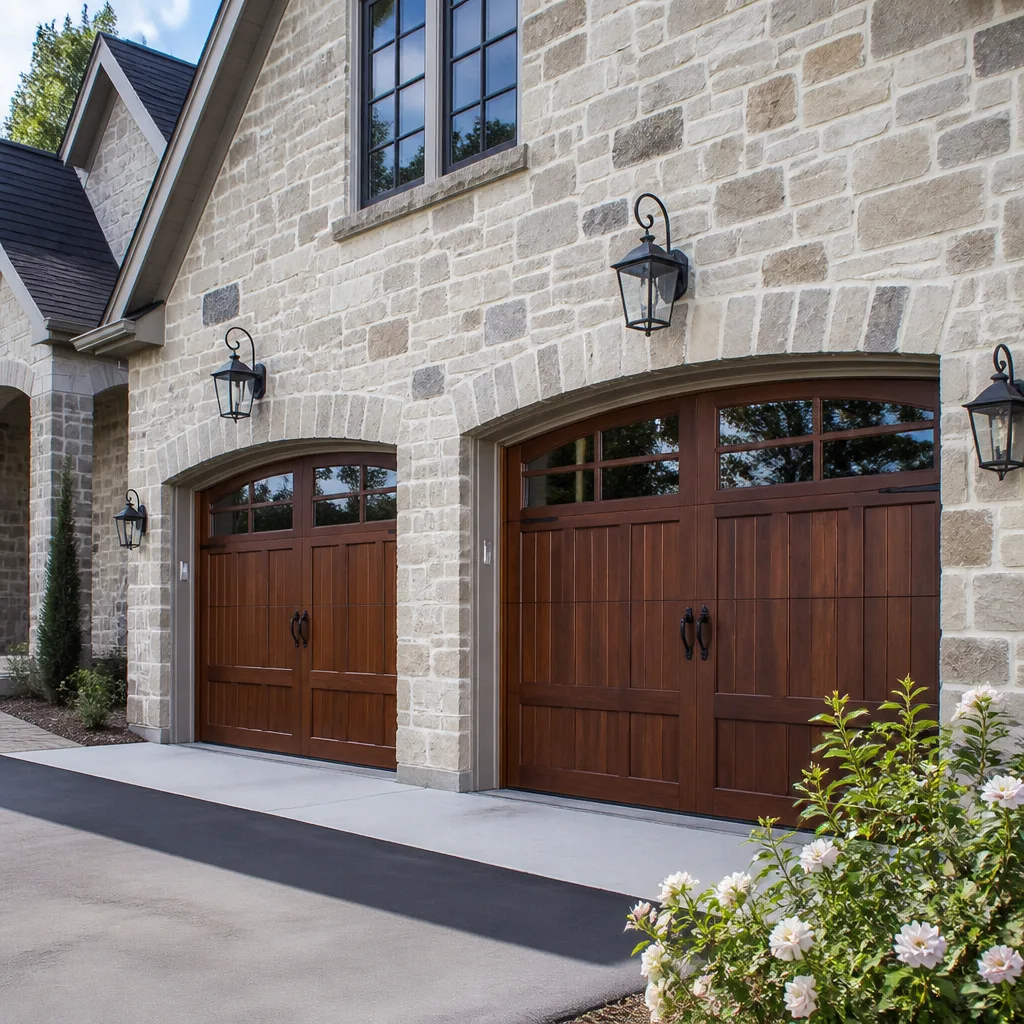
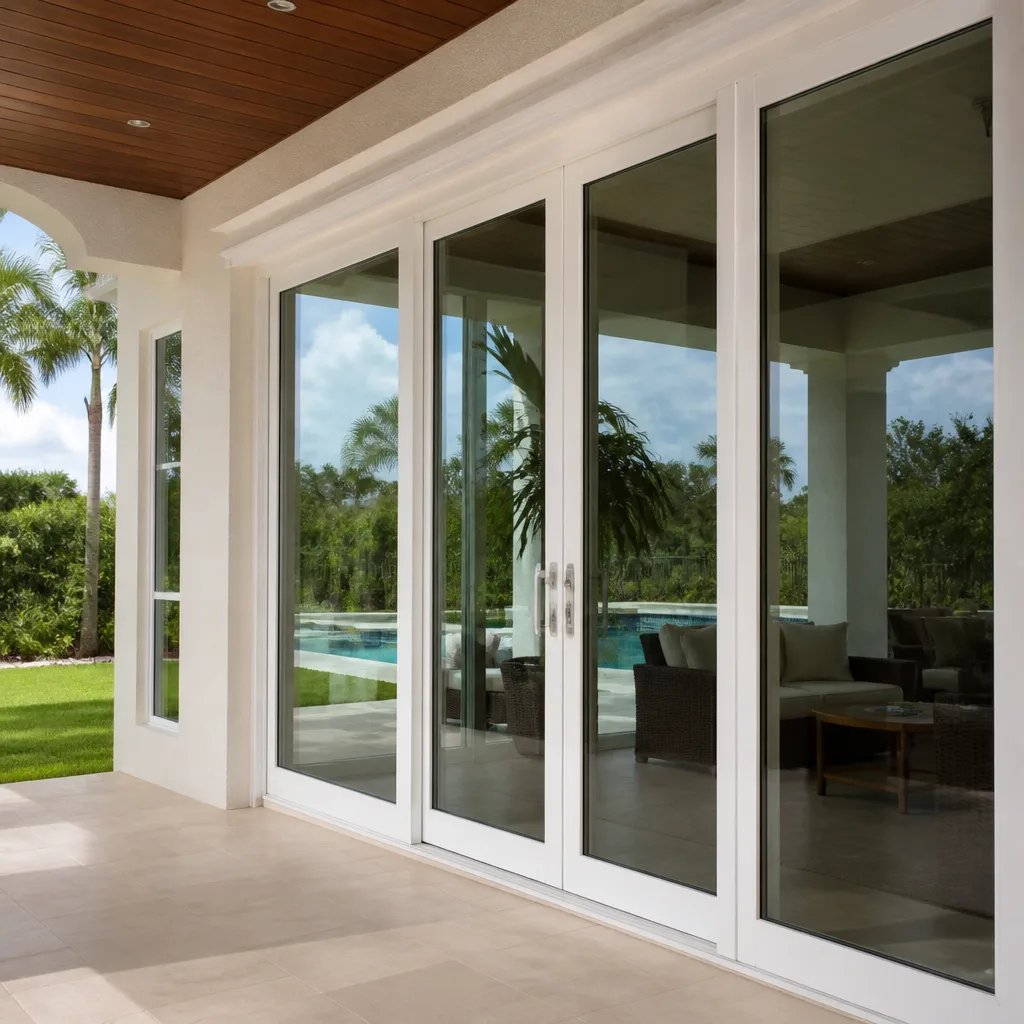
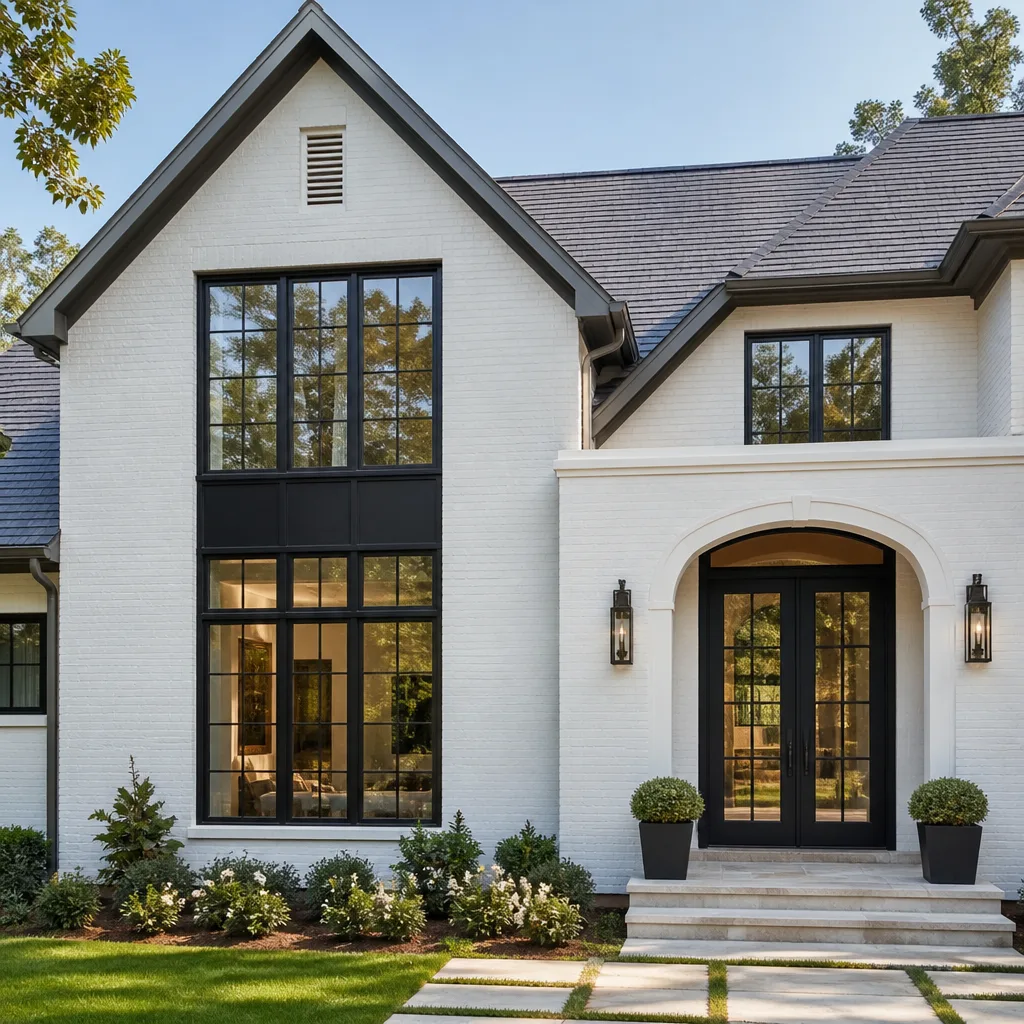
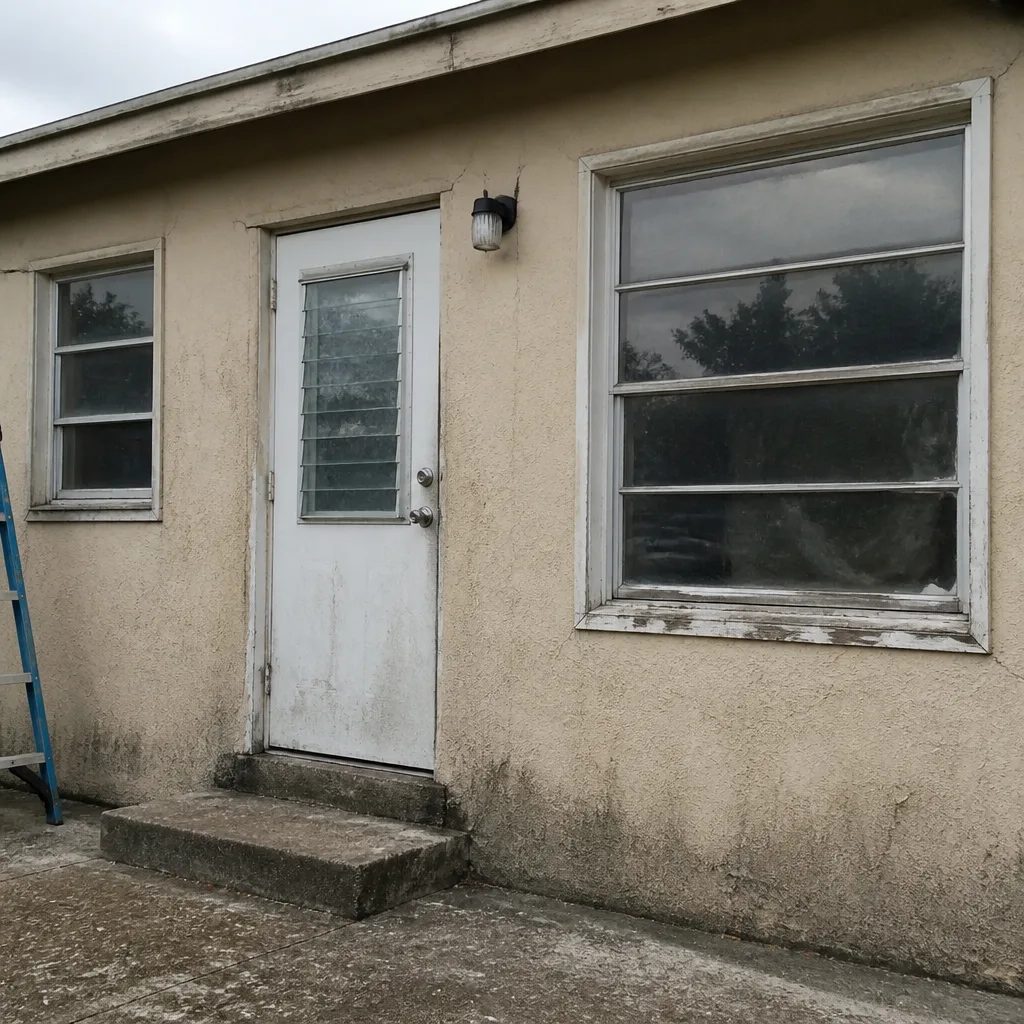 Before
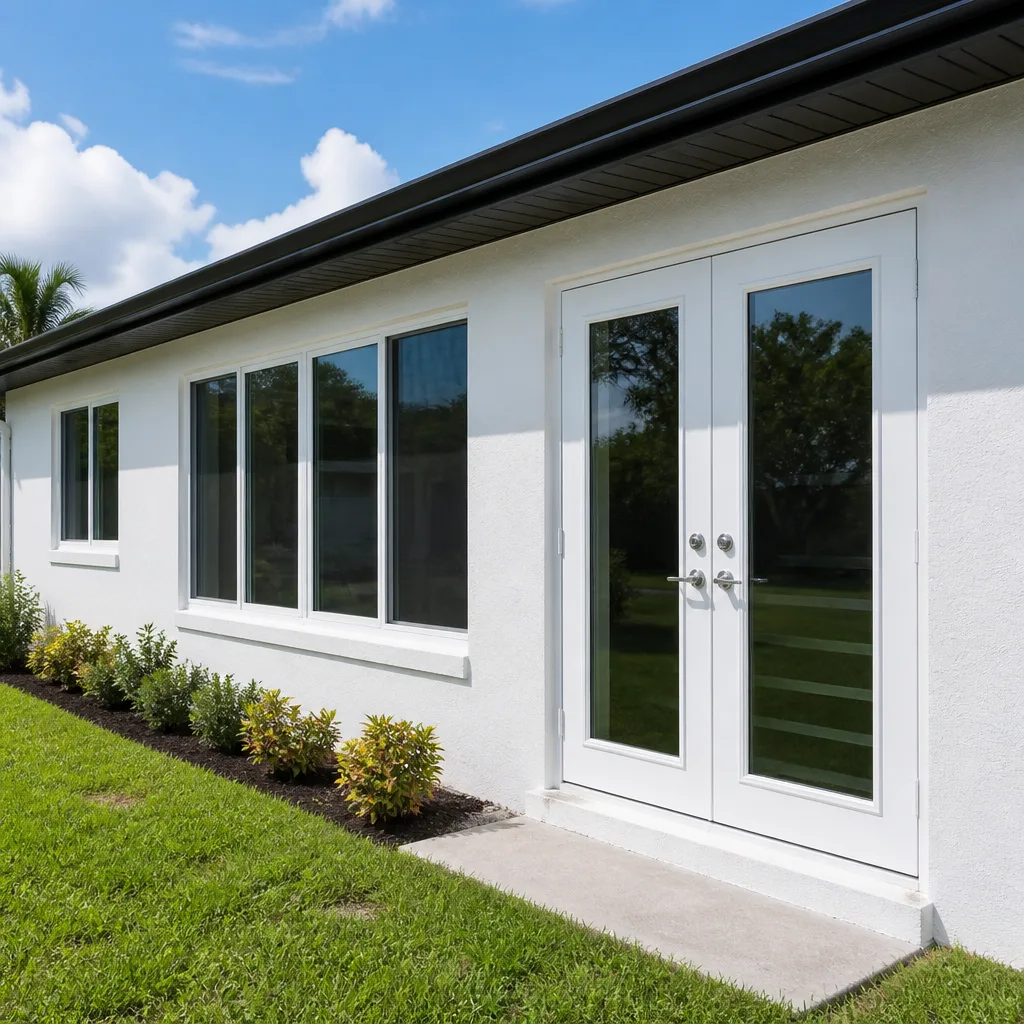 After
After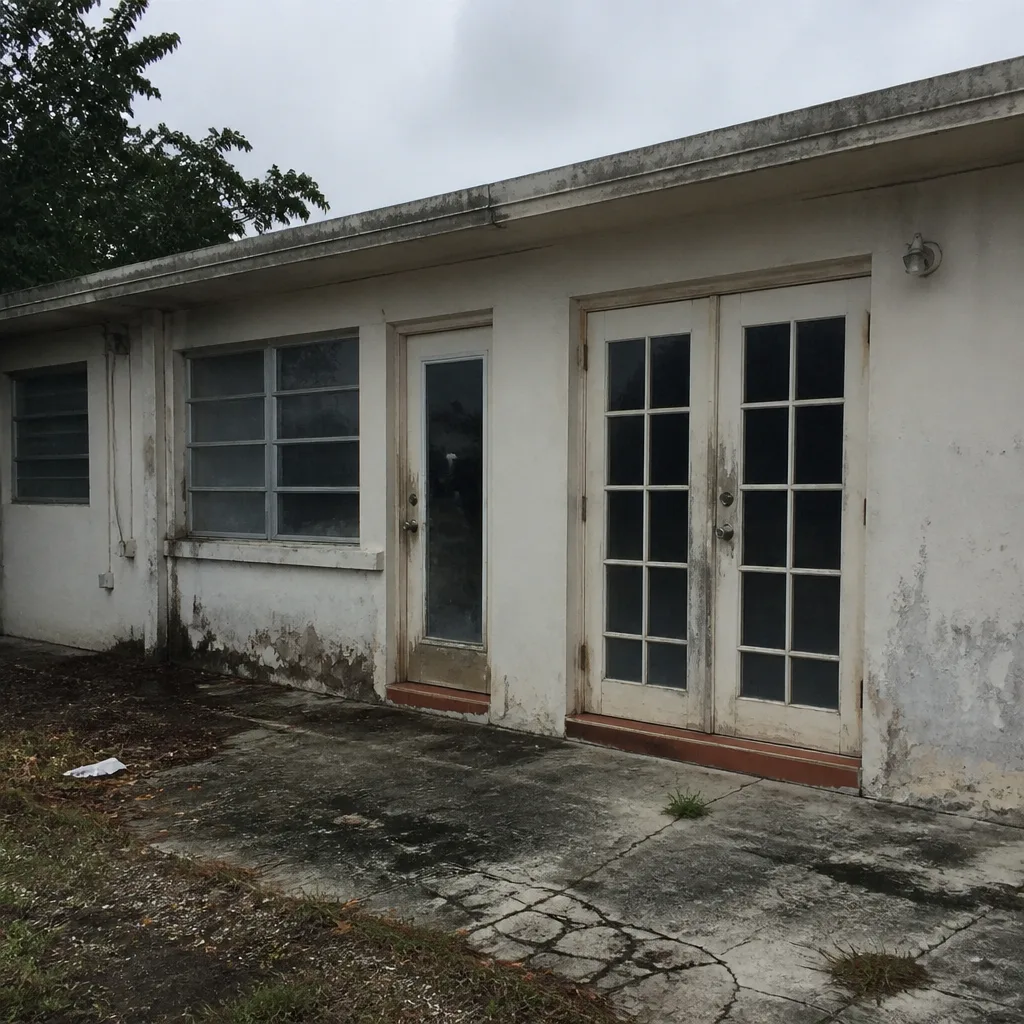 Before
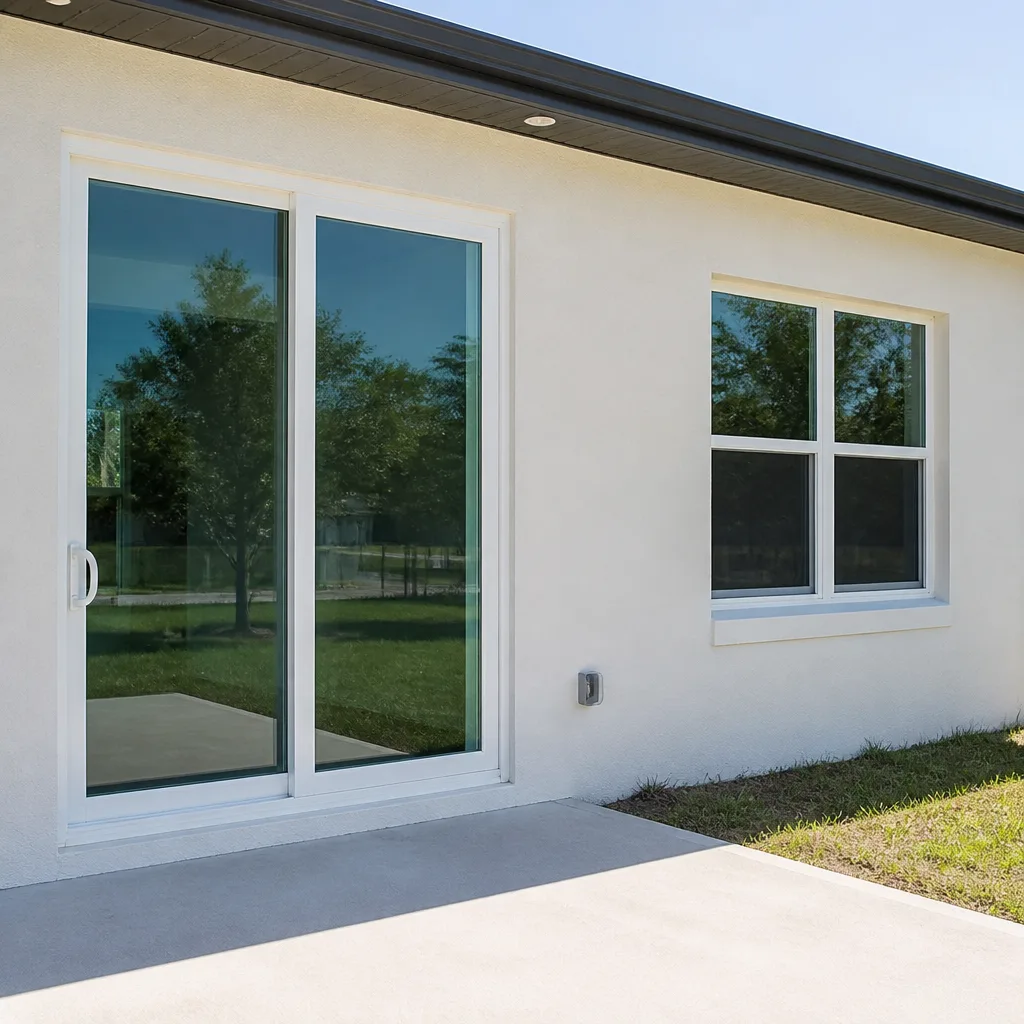 After
After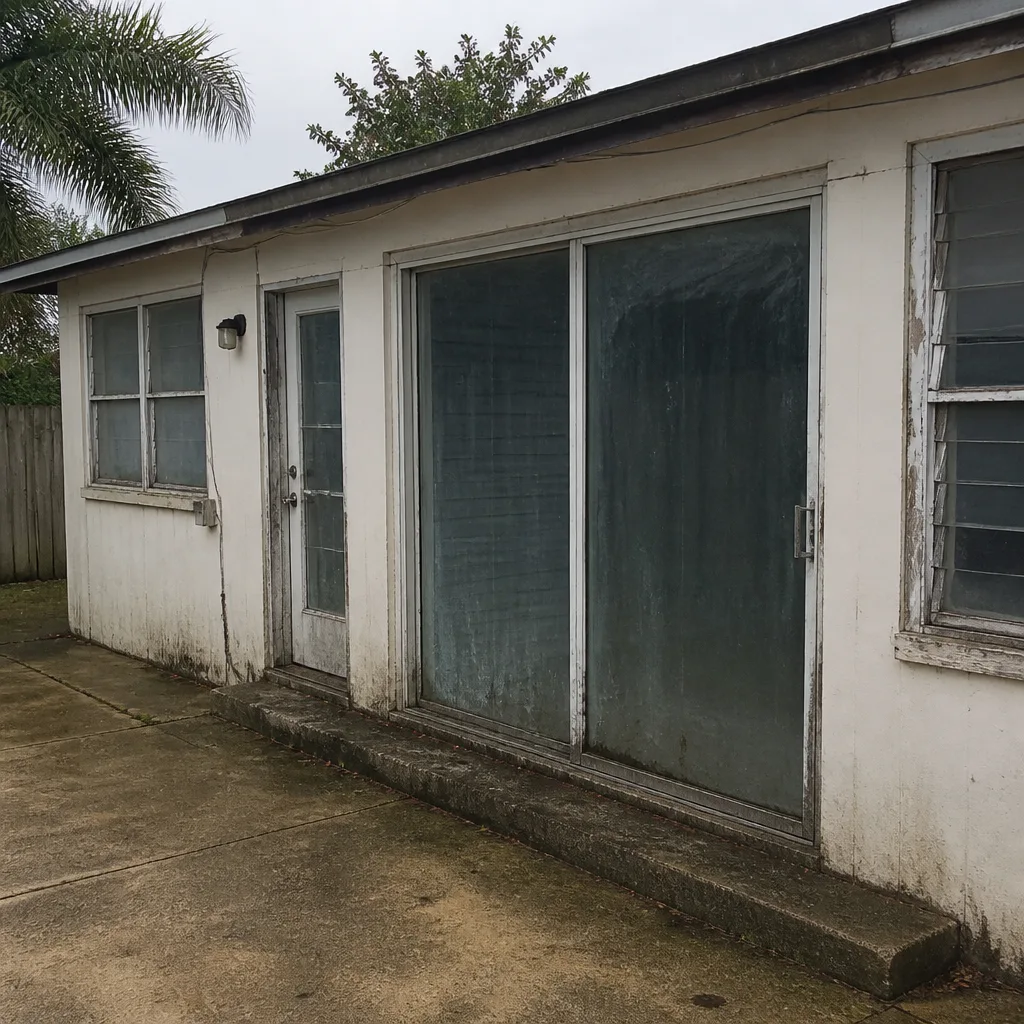 Before
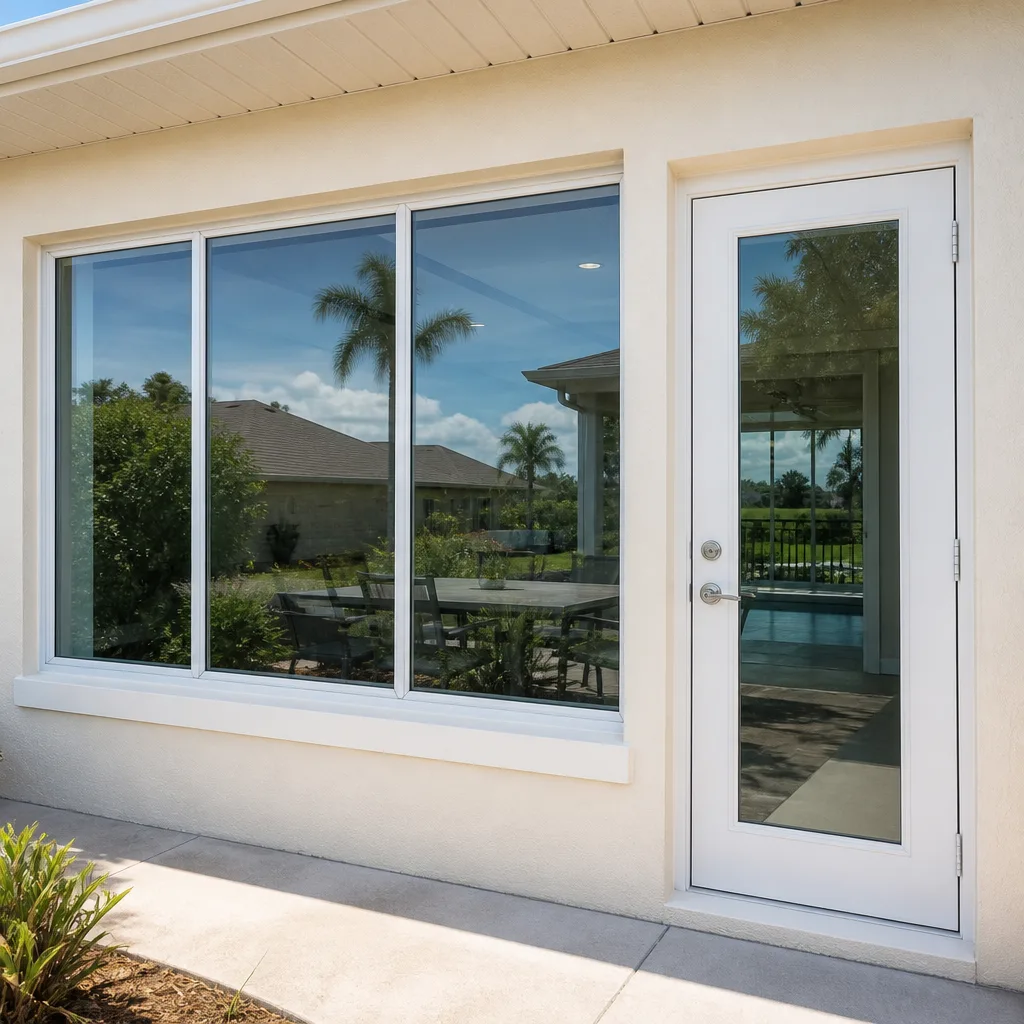 After
AfterWindows & Doors Warning Signs: A Belle Glade Homeowner’s Reference Guide
A 1/8-inch gap between a door frame and its rough opening is not a draft problem. In Belle Glade’s humidity, it is the documented precursor to wood rot, insect ingress, and frame racking that costs three to five times more to correct than the original alignment repair. Most warning-sign guides describe visible damage you can already see; this one is organized around the failure sequences that Belle Glade’s climate produces in a specific order, so you can catch the second symptom before it produces the third, more expensive one. For a deeper look at the full scope of options and maintenance strategies, see our Complete Guide to Windows & Doors in Belle Glade. You’ll learn the operational tests that reveal structural problems before they become visible, how to distinguish seal failure from humidity condensation, and exactly when to monitor, schedule repair, or stop using an opening entirely.
Quick Answer
The five critical window and door warning signs in Belle Glade are: operational resistance that increases seasonally (early frame stress), condensation patterns that fail a simple glass-touch test (seal failure versus humidity), visible light around closed weatherstripping (compression set), threshold flex under normal step load (subfloor or frame decay), and latch misalignment that progresses from summer to winter (seasonal racking). Catching these at stage two rather than stage four typically reduces repair cost by 60-70 percent.
Table of Contents
- How Belle Glade’s Humidity Drives a Predictable Failure Sequence
- The Three Operational Tests That Reveal Hidden Frame Stress
- Condensation Between Panes vs. Surface Condensation: The Field Test
- The Five Most Common Failure Progressions in Belle Glade
- Manufacturer Defect vs. Installation Issue: How to Document the Difference
- Symptom Reference Table: What to Do and Who to Call
- Common Mistakes to Avoid
- When to Call a Professional
- Frequently Asked Questions
 Before
 After
AfterHow Belle Glade’s Humidity Drives a Predictable Failure Sequence
Belle Glade sits at the southeastern edge of Lake Okeechobee, where annual relative humidity hovers near 75 percent and summer spikes above 90 percent are routine. This is not abstract data. It is the environmental load that every window and door assembly in Belle Glade absorbs continuously, and it produces failure sequences that follow a pattern we’ve documented across thousands of openings since 2012.
The sequence starts with hygroscopic expansion. Wood frames and even some composite materials absorb atmospheric moisture, swelling against their hardware. A sash that lifted smoothly in March begins to drag by July. Homeowners often force the operation, which stresses the corner joints and misaligns the locking points. By October, the hardware has been loaded cyclically for six months. The fasteners loosen. The frame racks slightly, opening gaps that did not exist during the dry season. Then the rains of late summer and early fall find those gaps.
Water does not need much invitation. A 1/16-inch gap at a weatherstripping compression point becomes a capillary path. The water wicks along the frame interior, where air circulation is minimal and evaporation is slow. In Belle Glade’s climate, a damp frame cavity can remain above 20 percent moisture content for weeks. That is the threshold where fungal colonization begins. The progression from operational drag to visible rot typically takes 18 to 36 months in Belle Glade, faster than in drier inland Florida markets and slower than in direct coastal salt-air zones.
The key insight: operational drag is stage one. Visible rot is stage three or four. The intervention window at stage two, when the frame is stressed but not yet compromised, is where the cost differential is most pronounced. A hardware realignment and weatherstripping replacement at stage two runs $180-$340 per opening. Frame replacement at stage four runs $1,200-$2,800 for the same opening, depending on size and glazing specification.
This is why we sequence our Belle Glade surveys by season. A window installation in Belle Glade that we measure in April may show different operational clearances than the same product measured in August. Our written quote reflects the seasonally adjusted fit, because the measurement and the quote are the same document under Haven Clause 1.
The Three Operational Tests That Reveal Hidden Frame Stress
These tests require no tools beyond a bathroom scale and your own observation. Perform them twice yearly, ideally in April and October, to catch seasonal shifts before they produce permanent deformation.
Test 1: Sash Lift Force
For a double-hung or single-hung window, place a bathroom scale on the sill. Lift the sash using the scale as your platform. A properly balanced sash in a vinyl or aluminum frame should register 8-12 pounds of lift force. Wood frames, which are heavier, may read 12-18 pounds. Readings above 25 pounds indicate balance spring fatigue, frame racking, or debris accumulation in the jamb liners. In Belle Glade, we’ve found that readings taken in October average 30-40 percent higher than April readings on the same window, due to humidity-swollen components. If your October reading exceeds 30 pounds, the frame is loading hardware beyond its design tolerance.
Test 2: Latch Engagement Depth
Close and lock the sash. Open it slightly, then re-close without locking. Mark the latch keeper position with a pencil. Now lock it fully and observe how far the latch cam travels past your mark. Full engagement on a modern window is 3/8 to 1/2 inch. Less than 1/4 inch means the sash is not seating fully into the frame, either because the frame has racked or the weatherstripping has compressed beyond recovery. In Belle Glade’s humidity cycle, we’ve seen engagement depth decrease by 1/8 inch seasonally on windows that were installed without seasonal adjustment. That 1/8 inch is the gap that becomes the capillary path.
Test 3: Threshold Flex Under Step Load
For exterior doors, stand with one foot on the threshold and shift your weight deliberately. A stable threshold should not perceptibly deflect. Any flex, bounce, or squeak indicates substrate decay, fastener withdrawal, or frame separation from the rough opening. This is particularly critical in Belle Glade, where slab-on-grade construction and the high water table mean that threshold moisture can wick from below as well as above. We’ve replaced thresholds where the visible surface appeared sound but the substrate had compressed 3/8 inch, creating a slope that directed rainwater toward the interior.
Document your readings. The measured survey we provide to every door installation in Belle Glade customer includes these baseline values, because evidence of change is evidence of need. Haven Clause 4, Evidence on every job, applies to diagnostics as much as to completed work.
Condensation Between Panes vs. Surface Condensation: The Field Test
Condensation is the most misdiagnosed window symptom in Belle Glade. Homeowners see moisture and assume seal failure, but Belle Glade’s humidity produces surface condensation that has nothing to do with the insulating glass unit. Replacing a window for surface condensation is unnecessary expense. Missing seal failure condensation is progressive glazing degradation. The distinction matters for both cost and warranty coverage.
Here is the field test we use on every service call:
- Wait for condensation to appear. Perform this test when moisture is visible, not after it has evaporated.
- Touch the interior glass surface with your fingertip. If your finger leaves a clear trail through the condensation, the moisture is on the interior surface. This is surface condensation, caused by interior humidity meeting a glass temperature below the dew point.
- If the condensation does not wipe away, touch the exterior glass surface. If it wipes from the outside, you have exterior surface condensation, common in Belle Glade on mornings when overnight radiative cooling drops glass temperature below the exterior dew point.
- If condensation does not wipe from either surface, it is between the panes. This is seal failure. The desiccant inside the insulating glass unit has saturated, and the unit has lost its insulating value permanently.
Surface condensation solutions are environmental, not product-related. Reduce interior humidity with ventilation or dehumidification. Exterior condensation is typically transient and harmless. Between-pane condensation requires window replacement in Belle Glade, because failed IGUs cannot be field-repaired to their original performance specification.
The warranty distinction: between-pane condensation in an IGU under ten years old is typically a manufacturer defect claim. Surface condensation is an environmental condition, not covered by any window warranty we know of. We document which condition we found with dated photos, because the claim and the document travel together under Haven Clause 4.
The Five Most Common Failure Progressions in Belle Glade
These are the sequences we observe most frequently in Belle Glade’s climate, with intervention costs at each stage based on our local pricing since 2012.
Progression 1: The Humidity-Rack-Rot Sequence (Double-Hung Windows)
Stage 1 (Monitor): Seasonal operational drag, sash lift force increased 20-30 percent above baseline. No visible gaps. Intervention: hardware adjustment, $180-$240.
Stage 2 (Schedule repair): Latch engagement reduced below 1/4 inch. Visible light at weatherstripping compression points. Intervention: realignment, weatherstripping replacement, $280-$420.
Stage 3 (Stop using, schedule replacement): Frame corner separation visible, paint failure at sill, softwood detectable with probe. Intervention: sash or frame replacement, $890-$1,600.
Stage 4 (Stop using, full replacement): Structural frame decay, insect evidence, glass fogging from interior moisture. Intervention: full window replacement, $1,400-$2,800 depending on size and glazing.
Progression 2: The Threshold-Substrate Decay Sequence (Entry Doors)
Stage 1 (Monitor): Threshold flex under step load, door bottom slightly out of plane with frame. Intervention: threshold shim and fastener replacement, $220-$340.
Stage 2 (Schedule repair): Weatherstripping no longer compresses fully, visible gap at door bottom. Intervention: threshold replacement, weatherstripping upgrade, $480-$720.
Stage 3 (Stop using): Substrate decay extends into jack studs, door frame no longer plumb. Intervention: frame replacement with structural repair, $1,800-$3,400.
Progression 3: The Seal-Failure-IGU-Degradation Sequence (Fixed or Picture Windows)
Stage 1 (Monitor): Intermittent between-pane condensation, clears with temperature change. Intervention: monitor, document with photos.
Stage 2 (Schedule replacement): Persistent between-pane condensation, desiccant staining visible at glass edge. Intervention: sash replacement (if removable) or full unit replacement, $680-$1,400.
Stage 3 (Stop using): Glass etching from mineral deposits, permanent haze. Unit has lost insulating value; energy penalty measurable. Intervention: full replacement, $1,200-$2,600.
Progression 4: The Hardware-Fatigue-Security-Compromise Sequence (Sliding Glass Doors)
Particularly common in Belle Glade’s older housing stock, where original sliding doors from the 1980s and 1990s remain in service. The rollers fatigue under the humidity-expanded panel weight. The panel rises in the track, misaligning the lock points. The lock becomes difficult to engage, so homeowners stop using it. The unlocked panel rattles in wind events, stressing the frame further. We’ve found panels in Belle Glade’s Canal Point and South Bay-adjacent areas that could be lifted from the exterior track with one hand.
Stage 1 (Monitor): Increased rolling resistance, lock requires deliberate alignment. Intervention: roller and lock adjustment, $260-$380.
Stage 2 (Schedule repair): Lock no longer engages without lifting panel, visible panel rise in track. Intervention: roller replacement, track cleaning, lock realignment, $540-$780.
Stage 3 (Stop using): Panel removable from exterior, frame racked, weatherstripping torn. Intervention: full door replacement, $2,400-$4,800 depending on impact rating and size.
Progression 5: The Impact-Rating-Compromise Sequence (Post-Storm Damage)
Belle Glade’s inland location does not eliminate wind-borne debris risk. Impact-rated assemblies that have been struck but not breached often show no visible damage. The critical indicator is delamination of the interlayer in laminated glass, or frame deformation that compromises the design pressure rating. These assemblies may appear intact but have lost their code-required performance.
Stage 1 (Monitor): Documented impact event, no visible breach. Intervention: professional inspection with documented photo record, $180-$260.
Stage 2 (Schedule repair/replacement): Interlayer haze, frame dimple, or fastener stress visible. Intervention: component replacement or full unit, $1,200-$3,600 depending on rating and size.
Stage 3 (Stop using): Visible crack, frame separation, or confirmed design pressure failure. Intervention: full replacement required for code compliance, $1,800-$4,200.
Our product lines from CWS, ES Windows, and ECO Window Systems include impact-rated options specified by the design pressure the opening requires, not by what is in stock. The measured survey determines the load; the written quote names the product that meets it.
Manufacturer Defect vs. Installation Issue: How to Document the Difference
This distinction determines who pays for correction and whether you have recourse. We encounter confusion regularly in Belle Glade, where homeowners may be second or third owners and documentation has been lost.
Manufacturer defects typically present as:
- Between-pane condensation in IGUs under ten years old, with no frame or installation anomaly
- Uniform hardware failure across multiple identical units installed at the same time
- Glass spontaneous fracture from nickel sulfide inclusion (rare, but documented)
- Coating degradation on low-E surfaces that matches known production lots
Installation workmanship issues typically present as:
- Condensation or water intrusion at the frame perimeter, not the glass
- Operational problems that appear within the first seasonal cycle after installation
- Uneven gaps between sash and frame, indicating out-of-square installation
- Fastener corrosion or failure at attachment points, indicating incompatible materials or insufficient fastening
The documentation that separates these: the original measured survey, the installation photos, and the manufacturer warranty registration. Under Haven Clause 4, we provide a documented photo record on every visit, including service calls. If you did not receive these from your original installer, we offer a Free Second Opinion on Any Written Estimate, including review of another contractor’s documentation to determine whether the issue is defect or workmanship. For guidance on vetting contractors from the start, see How to Hire a Windows & Doors Contractor in Belle Glade: A Step-by-Step Guide.
For products we install, we register warranty coverage with the manufacturer and provide the customer their copy. PGT, CGI, CWS, ES Windows, ECO Window Systems, Mr-Glass, Therma-Tru, and ViewLux each maintain distinct warranty terms; we specify which apply to your opening in the written scope. The 365-Day Done Right Promise covers our workmanship separately from manufacturer coverage, so there is no gap period where neither applies.
Symptom Reference Table: What to Do and Who to Call
| Symptom | Likely Cause | Urgency | Who to Call |
|---|---|---|---|
| Sash lift force increased 20%+ seasonally | Frame swelling, hardware fatigue | Monitor / Schedule repair | Window service contractor for hardware adjustment |
| Condensation wipes from interior or exterior glass surface | Surface condensation from humidity | Monitor | HVAC contractor if persistent; no window work needed |
| Condensation between panes, does not wipe | IGU seal failure | Schedule replacement | Window replacement contractor; check manufacturer warranty age |
| Visible light around closed weatherstripping | Compression set, frame racking | Schedule repair | Window/door service contractor for realignment |
| Threshold flex under step load | Substrate decay, fastener withdrawal | Schedule repair / Stop using if severe | Door contractor; structural contractor if studs involved |
| Latch engagement less than 1/4 inch | Seasonal racking, hardware misalignment | Schedule repair | Window/door service contractor |
| Sliding door panel lifts from exterior track | Roller fatigue, frame racking | Stop using | Door replacement contractor; security risk |
| Impact-rated assembly struck, no visible breach | Possible delamination or DP compromise | Schedule inspection | Certified impact product inspector or original installer |
| Frame corner separation, softwood probe | Advanced rot, insect damage | Stop using, schedule replacement | Window/door replacement contractor; pest control if active insects |
| Glass etching or permanent haze between panes | Advanced seal failure, mineral deposition | Schedule replacement | Window replacement contractor; energy penalty now measurable |
Common Mistakes to Avoid
- Assuming operational drag is normal seasonal behavior. Some increase is expected, but a 40 percent seasonal lift force increase indicates frame stress that will not self-correct. In Belle Glade’s humidity, waiting means permanent deformation.
- Caulking over gaps instead of correcting the underlying alignment. Caulk is a sealant, not a structural repair. We’ve removed caulk jobs in Belle Glade where water had been trapped behind the bead for years, accelerating decay that would have been visible and correctable earlier.
- Replacing windows for surface condensation. This is the most expensive misdiagnosis we see. A $3,000 window replacement does not solve a humidity management problem that a $300 dehumidifier would address.
- Ignoring impact-rated assemblies after minor strikes. The assembly may look intact but have lost its design pressure rating. In Belle Glade, this matters for insurance compliance and resale disclosure, not just storm protection.
- Failing to document conditions before calling for service. Photos with dates, the field test results above, and any prior estimates create the evidence base that determines warranty coverage. We cannot document what we did not see; you can document what you observed.
- Accepting verbal assurances without written scope. Haven Clause 1 exists because the measurement and the quote must be the same document. A verbal “that should fix it” without written specification of products, procedures, and price is not a contract you can enforce.
When to Call a Professional
Call when any symptom reaches “schedule repair” or “stop using” in the reference table above. Call immediately for any security-compromising condition: a door or window that cannot be locked, a sliding panel removable from the exterior, or a frame that has separated from its rough opening. These are not maintenance deferrals; they are structural or security failures.
For symptoms in the “monitor” category, perform the operational tests twice yearly and document your readings. If the progression accelerates, if two symptoms appear together, or if you are uncertain of the cause, schedule a professional inspection. You can also explore more guides & resources on our blog to help interpret what you’re seeing. The cost of misdiagnosis exceeds the cost of inspection in every case we have documented since 2012.
Sightline Windows & Doors Belle Glade home offers free estimates in Belle Glade. We provide a measured survey you keep, a written quote that cannot differ from that document, and a documented photo record of what we found. Our technicians are background-checked, uniformed, and identified by license number before arrival. Call (561) 286-4734 to schedule your free estimate.
Frequently Asked Questions
Hardware adjustment and weatherstripping replacement typically runs $180-$420 per opening. Full window replacement ranges from $1,200-$2,800 depending on size, glazing specification, and whether impact rating is required. The decision point is frame condition: if the frame is structurally sound, repair is cost-effective. If rot, racking, or seal failure has compromised the frame or glass, replacement is the only permanent solution. Call (561) 286-4734 for an exact quote on your specific opening; estimates are free.
No. Under Haven Clause 1, the written quote and the measured survey are the same document. We do not encounter conditions that were not visible during survey, because our survey procedure includes the operational tests and documentation described in this guide. If you add scope, we write a new document. The original price does not change.
Yes, when required by Palm Beach County building code. Permit requirements depend on whether the replacement is like-for-like or involves structural modification, egress changes, or impact rating upgrades. We pull permits, schedule inspections, and ensure passing results as part of our standard scope, not as an additional charge. The permit record becomes part of your documentation package.
Perform the field test in this guide: touch the glass surface where condensation appears. If it wipes away with your finger, it is surface condensation from humidity. If it does not wipe from either interior or exterior surface, it is between-pane seal failure. In Belle Glade, surface condensation is more common than seal failure in homes without mechanical dehumidification. Call (561) 286-4734 if you are uncertain; we will perform the test and document the result at no charge.
Typical single-opening replacement requires one day of installation time, with product lead time of 4-8 weeks depending on manufacturer and specification. Multi-opening projects are scheduled to minimize interior exposure, typically one phase per day. We do not promise same-day installation on planned replacement work; the measurement, ordering, and scheduling process ensures the correct product arrives for your specific opening. Call (561) 286-4734 to schedule a measured survey and receive a written timeline with your written quote.
If any aspect of our installation is not done right, we make it right within 365 days of completion. This is written into the Haven Standard, not offered as a courtesy. It covers workmanship, operational performance, and weather-tightness. The promise is stamped on every job, transferable if you sell your home, and enforceable against the documented photo record we provide. We have honored this promise on every qualifying claim since 2012.
The Bottom Line
Belle Glade’s humidity produces predictable failure sequences in windows and doors, and each sequence has intervention points where cost is contained. The operational tests in this guide, performed twice yearly, reveal frame stress before it becomes visible damage. The condensation field test prevents unnecessary replacement. The symptom reference table tells you when to monitor, when to schedule repair, and when to stop using an opening entirely. Documentation at every stage, from your own observations to the professional’s measured survey, determines warranty coverage and protects your investment. The cost of early intervention is consistently 60-70 percent below the cost of delayed correction in the progressions we have documented across 18,000+ openings since 2012.
Call (561) 286-4734 to schedule your free estimate. You’ll receive a measured survey you keep, a written price before any work starts, and a documented photo record of what we found. Our technicians are background-checked, uniformed, and identified by license number before arrival. Every job is covered by the 365-Day Done Right Promise under the Haven Standard.
Written by Sonia Raman, Owner at Sightline Windows & Doors Belle Glade, serving Belle Glade since 2012.