
Last updated September 24, 2026
Free in-home measure and quote - PGT, CGI and CWS impact lines compared on your actual openings, style by style
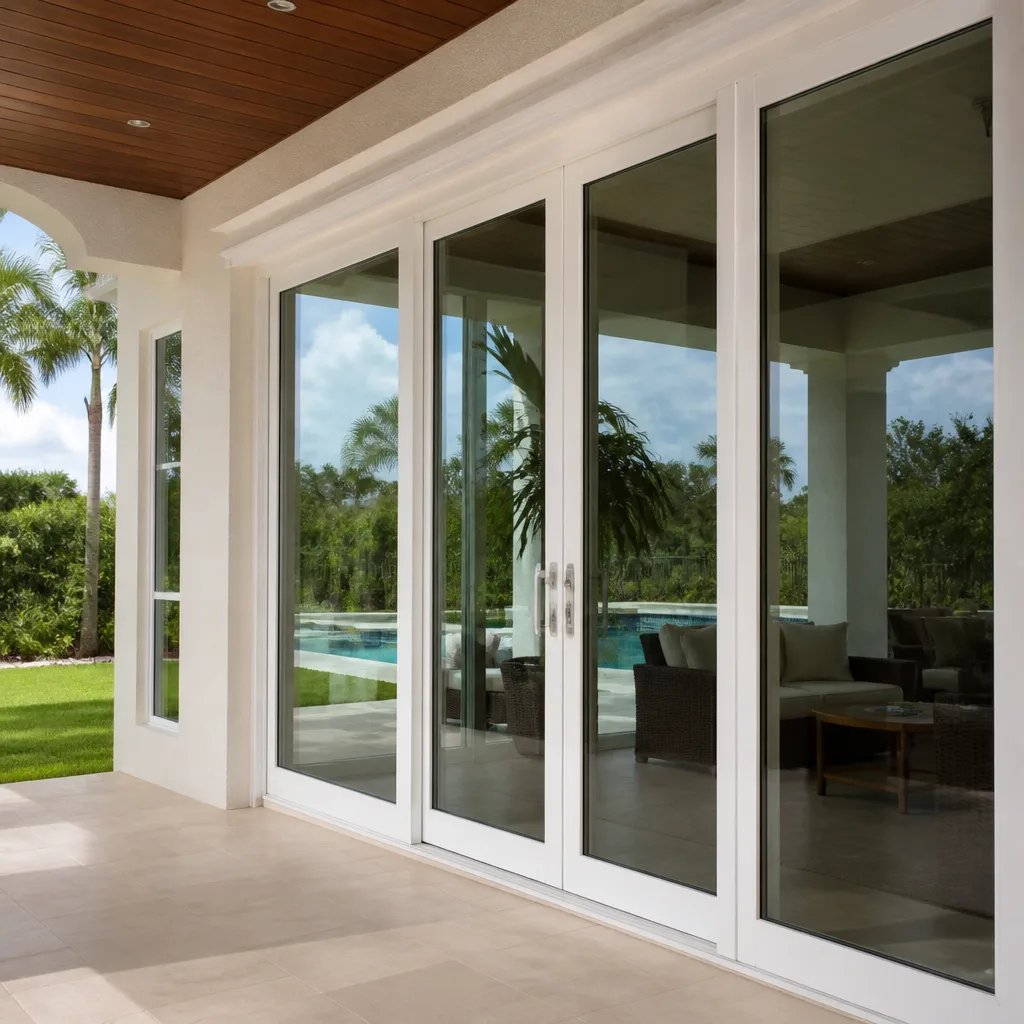

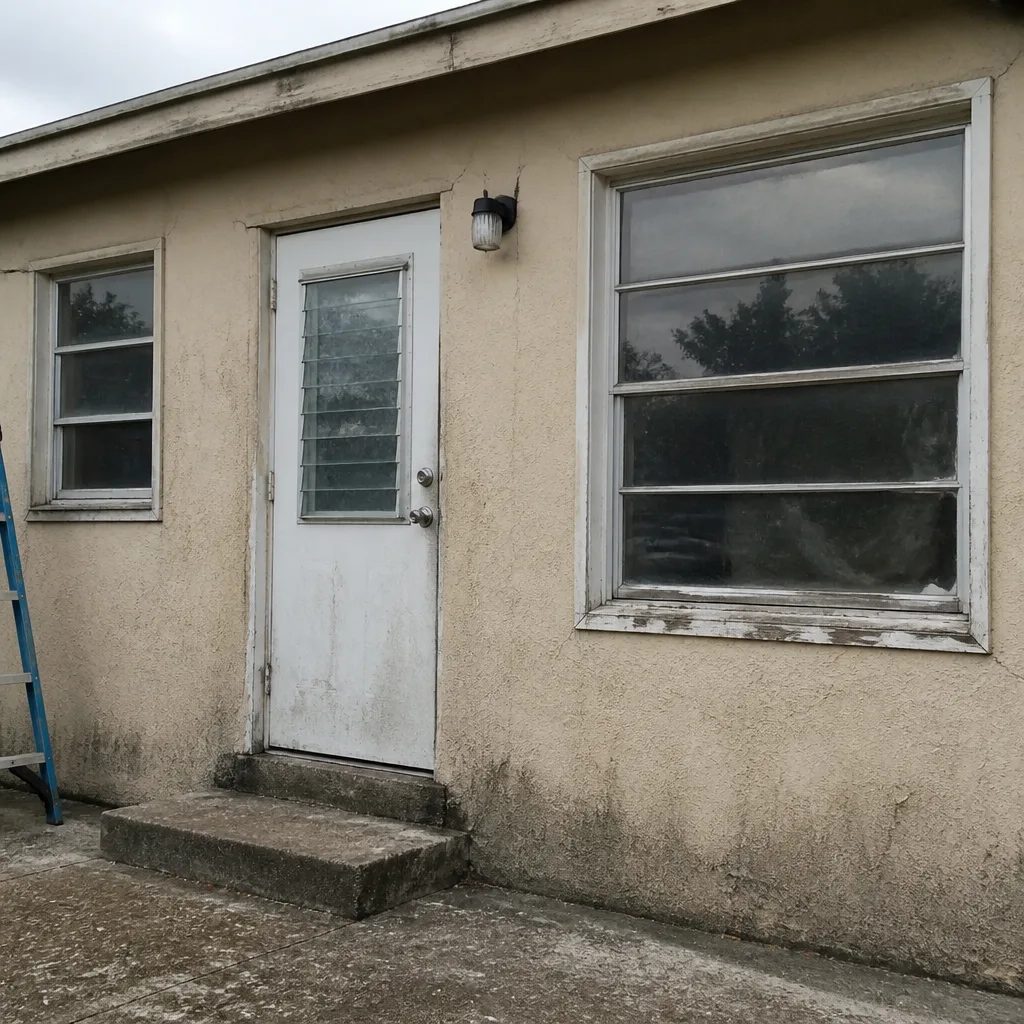 Before
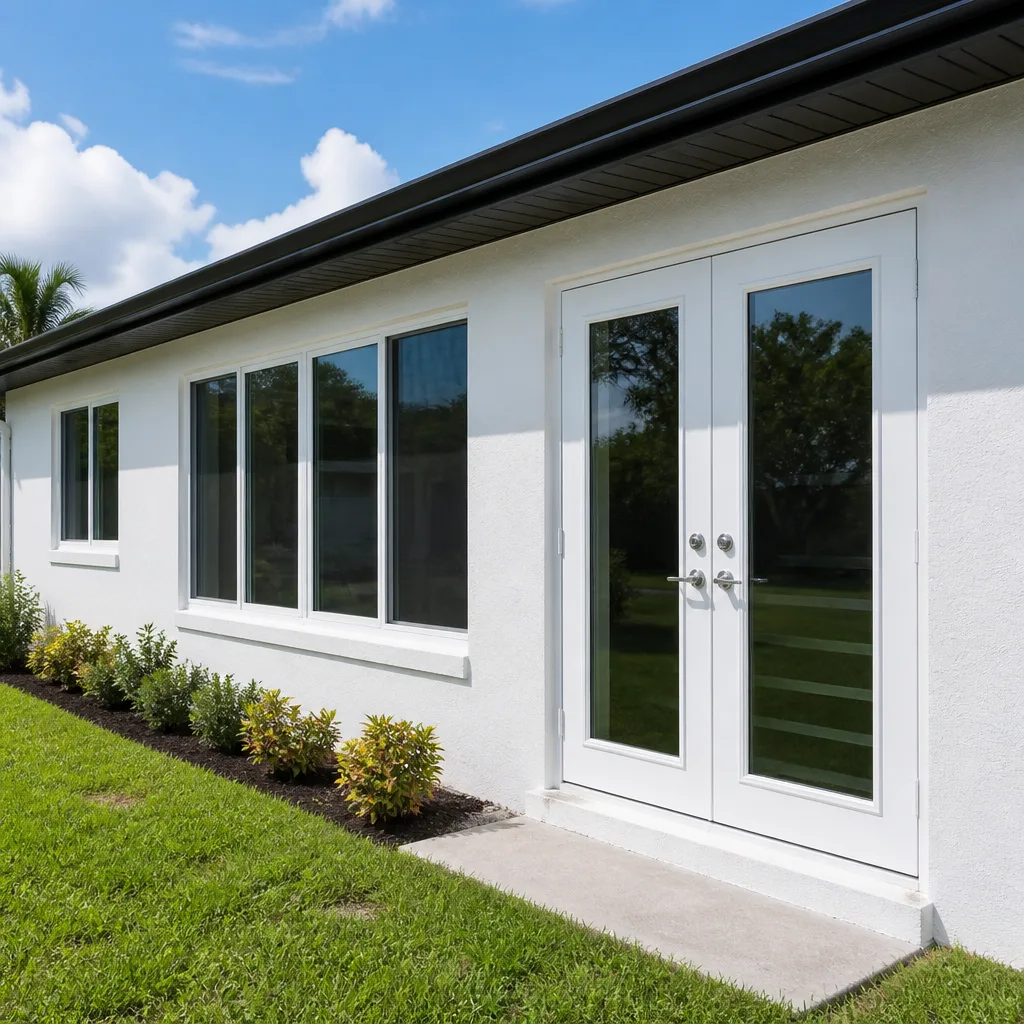 After
After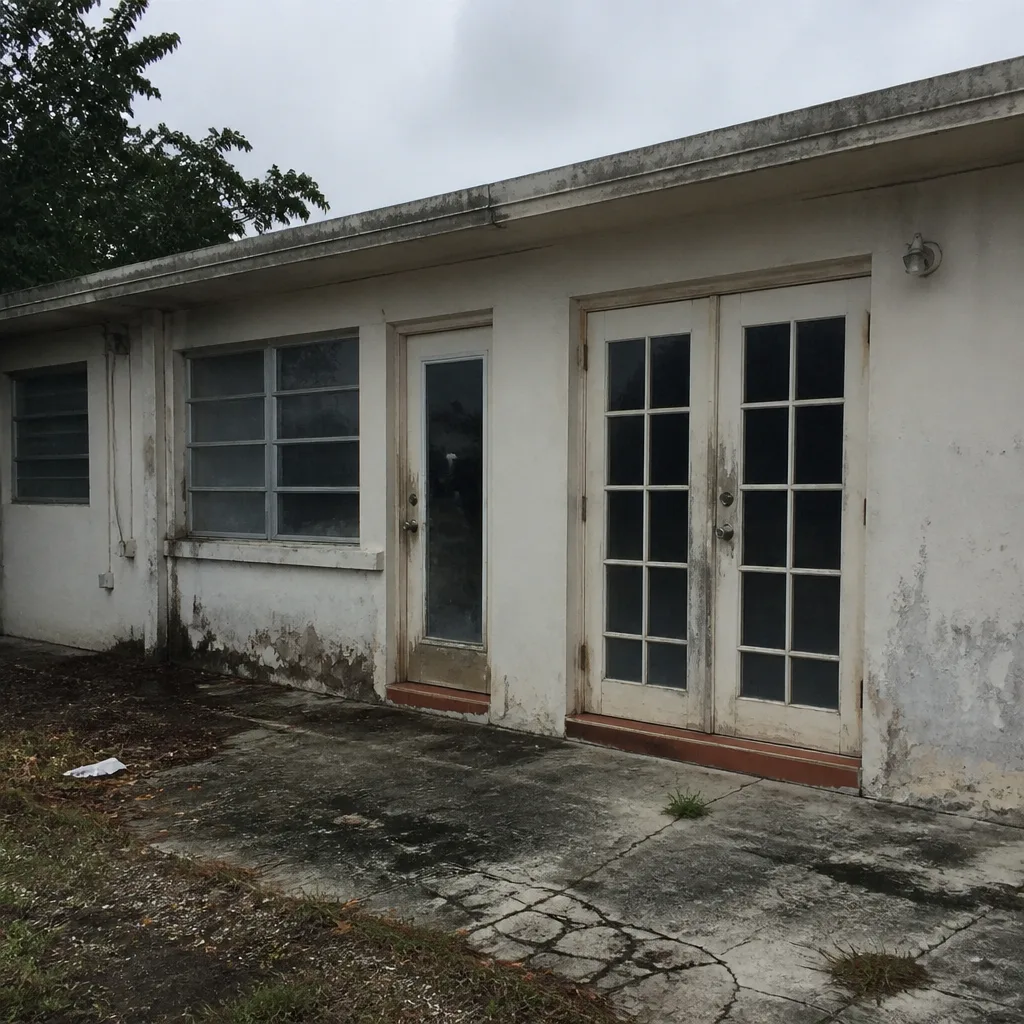 Before
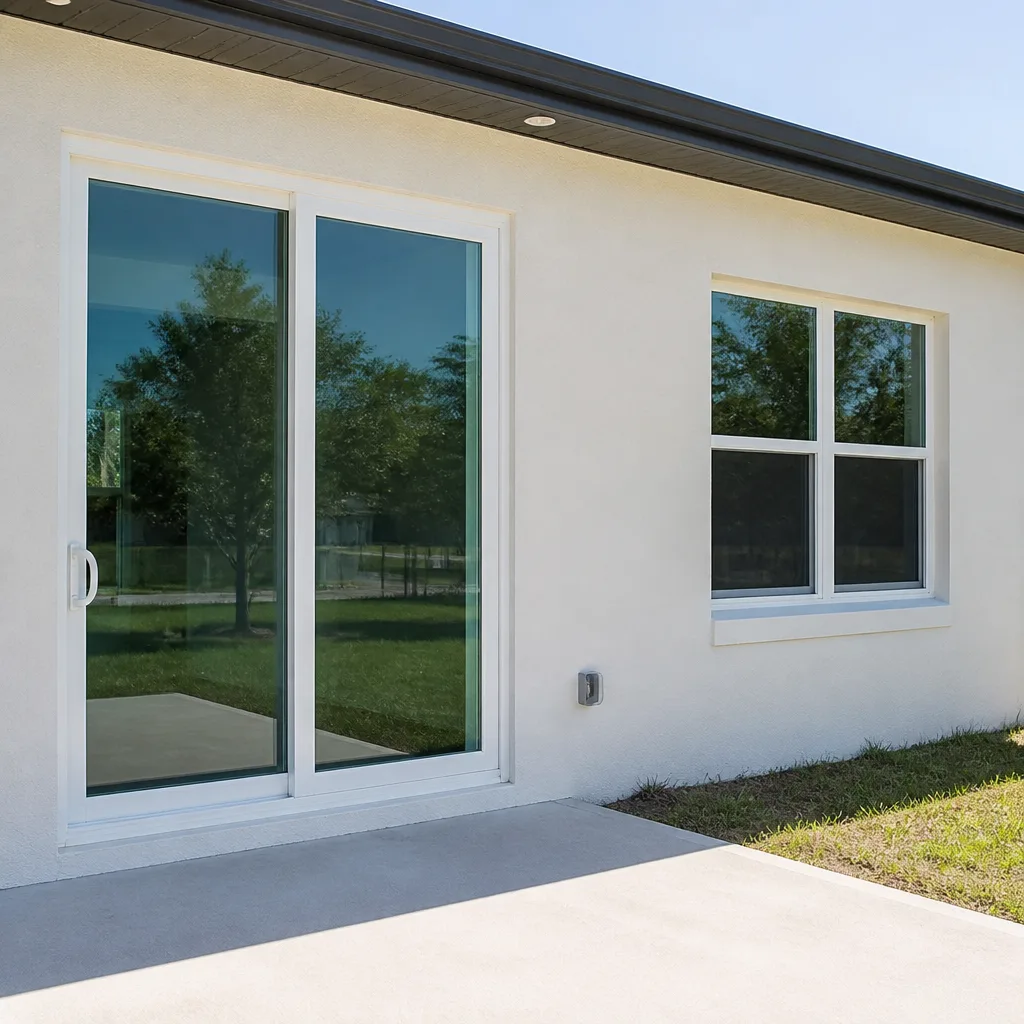 After
After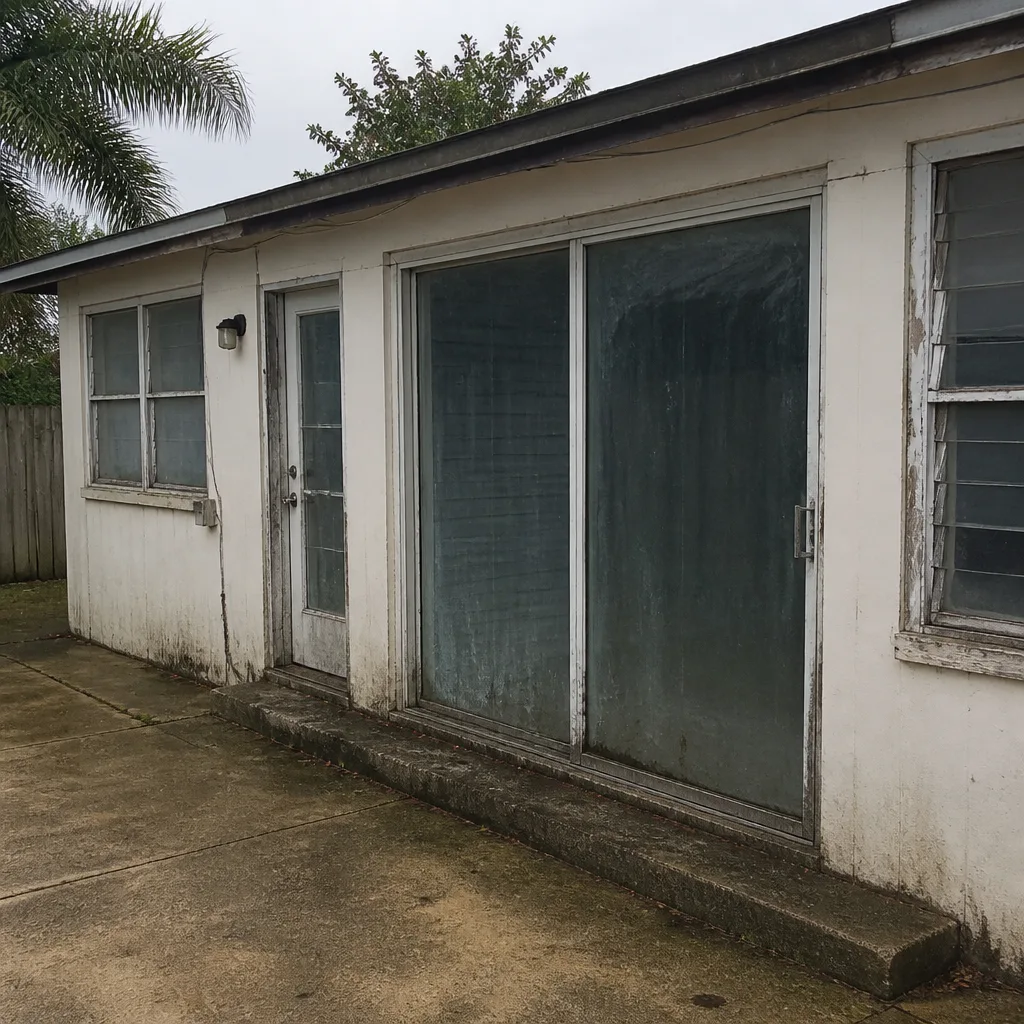 Before
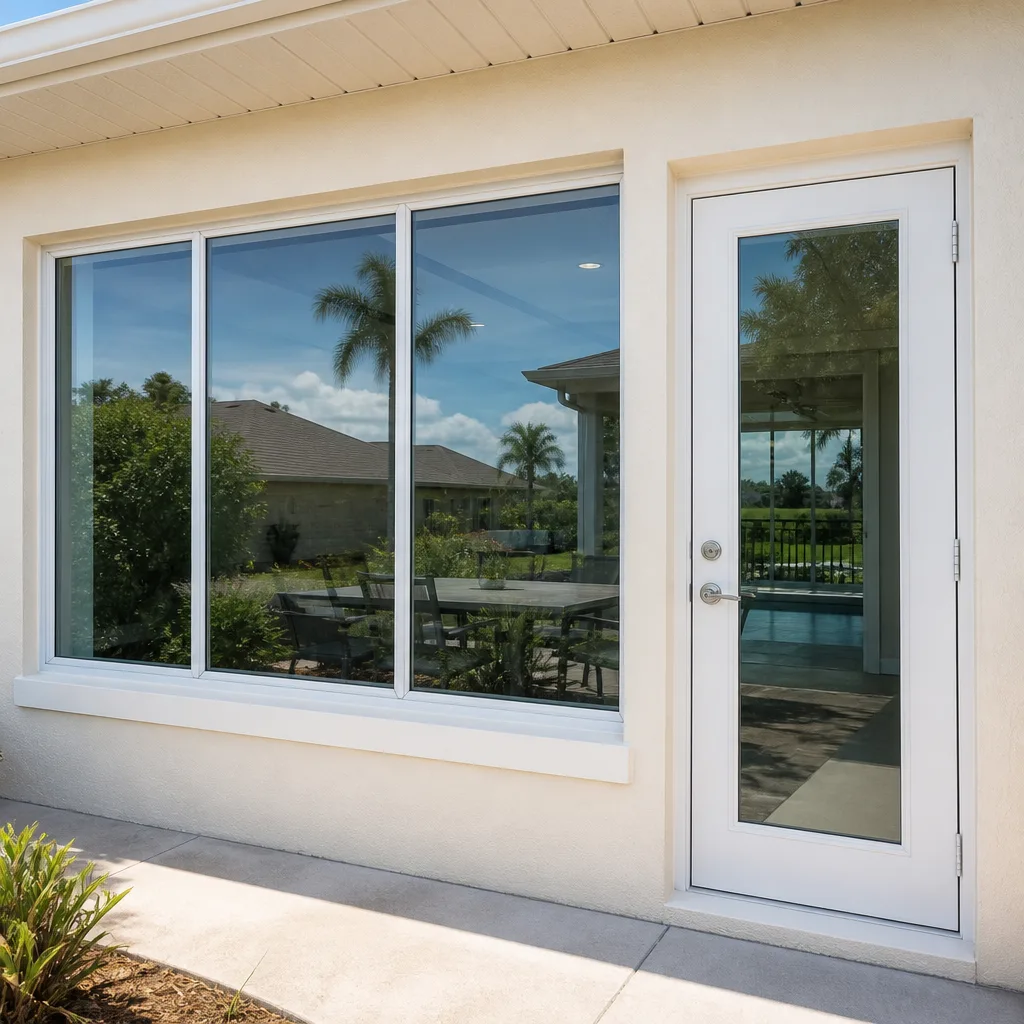 After
AfterDIY vs Professional Windows & Doors: The Belle Glade Homeowner’s Decision Guide
Florida Statute 489 lets you pull your own building permit for window and door work on your primary residence. Most impact-rated manufacturers, including PGT and CGI, void their product warranty if a licensed contractor doesn’t handle the installation. That gap between what the law allows and what the warranty demands is where Belle Glade homeowners lose money. In this guide, we’ll walk through the permit process in Palm Beach County, how to read warranty conditions for the installer-license clause, what insurance adjusters actually check after a named storm, and which tasks you can safely handle yourself without crossing into licensed territory. For more guides & resources, explore our blog.
Quick Answer
Most Belle Glade homeowners cannot legally self-install impact-rated windows or doors without voiding the product warranty, even though Florida law permits owner-builder permits. The hidden cost of DIY is not the labor you save - it is the warranty loss, the inspection risk, and the potential insurance denial after a storm. For non-impact replacement of standard windows in interior openings, DIY remains viable if you understand the permit and inspection chain. For impact-rated work, see our How to Hire a Windows & Doors Contractor in Belle Glade: A Step-by-Step Guide.
Table of Contents
- Florida Statute 489 and the Owner-Builder Permit Trap
- How to Read Warranty Conditions for the Installer-License Clause
- The Insurance Claim Scenario: What Adjusters Actually Check After a Storm
- What You Can Actually DIY: Weatherstripping, Hardware, and Sealant
- True Cost Comparison: Labor vs. Failed Inspection vs. Warranty Void
- Product Selection in Belle Glade: Impact Rating, U-Factor, and SHGC
- The Palm Beach County Inspection Process for Windows and Doors
- Common Mistakes to Avoid
- When to Call a Professional
- Frequently Asked Questions
- The Bottom Line
 Before
 After
AfterFlorida Statute 489 and the Owner-Builder Permit Trap
Florida Statute 489.103(7) grants homeowners the right to act as their own contractor on their primary residence, provided they personally supervise all work and obtain the required permits. Palm Beach County enforces this through a specific Owner-Builder Disclosure Form that you must sign before the county issues your permit. The form states clearly that you assume all liability for code compliance, worker injury, and property damage. It also limits your ability to sell the property for one year without satisfying specific disclosure requirements to the buyer.
Here’s where Belle Glade homeowners get caught. The statute permits you to pull the permit. It does not require manufacturers to honor their warranties when you do. We have reviewed warranty documents from every major line we carry - PGT, CGI, CWS, and ES Windows - and each contains language that ties warranty coverage to installation by a licensed and insured contractor. Some specify Florida-licensed; others require installation by a dealer certified by the manufacturer. The statutory right to pull your own permit and the manufacturer’s right to set warranty conditions are separate legal tracks. You can win on one and lose on the other.
The Palm Beach County disclosure form also warns that owner-builder permits trigger additional scrutiny at inspection. Inspectors know that owner-builder jobs have higher failure rates on structural and waterproofing details. In Belle Glade, where the building department processes permits for both the city and unincorporated Palm Beach County, this means longer wait times for re-inspection and stricter enforcement of the Florida Building Code’s wind-borne debris provisions.
If you proceed as an owner-builder, you must:
- Complete the 16-hour Florida contractor reference manual study or demonstrate equivalent knowledge at permit application
- Post the Owner-Builder Disclosure Form on-site for the duration of construction
- Obtain workers’ compensation insurance or execute an affidavit of exemption with full understanding that personal assets are exposed to injury claims
- Schedule and pass all required inspections - rough, waterproofing, and final - in sequence without substitution
- Maintain all product certificates, installation manuals, and fastener schedules on-site for inspector review
Most homeowners who contact us after attempting this process describe the same outcome: they completed the installation, passed inspection, then discovered the warranty void when they filed a product claim for seal failure or frame distortion. The permit proves code compliance. It does not prove warranty compliance.
How to Read Warranty Conditions for the Installer-License Clause
Manufacturer warranties for windows and doors are not uniform documents. They vary by product line, by glazing package, and by the state where the product is installed. The clause you need to locate is typically found in the “Warranty Conditions” or “Limitations” section, not in the marketing summary on the first page.
We will show you how to find it using the actual structure of warranties we handle daily.
Step 1: Locate the document version date. Manufacturer warranties update. The warranty in effect is the one dated at time of purchase, not the one currently posted online. Request the specific warranty document tied to your quote. At Sightline, we attach the current warranty document to every written quote so the customer has the exact version that governs their installation.
Step 2: Find the “Eligibility” or “Who Is Covered” section. This is where the installer requirement lives. Look for phrases like: “This warranty applies only to products installed by [manufacturer] certified dealers,” or “Installation must be performed by a contractor licensed in the state where the product is installed,” or “Owner-installed products are covered for material defects only; glass seal and operational warranties are void.”
Step 3: Check for the “transferability” clause. Even if you never file a claim, a voided warranty reduces your resale value. Most impact-rated product warranties in Florida are transferable once to a subsequent owner, but only if the original installation was performed by a qualifying contractor. An owner-builder installation breaks that chain.
Step 4: Verify the registration requirement. Some manufacturers require online registration of the installation within 30 days of completion. The registration form asks for the installer’s license number. If you leave that field blank or enter your own name as owner-builder, the system flags the warranty as limited or void.
PGT’s WinGuard series, for example, carries a limited lifetime warranty on the frame and a 20-year glass seal warranty. The glass seal coverage requires installation by a PGT-certified dealer using specified sealants and fasteners. CGI’s Estate Collection carries similar restrictions. CWS and ES Windows products vary by series - some allow any Florida-licensed contractor; others require factory certification.
The practical test is simple: call the manufacturer’s warranty department with your specific product code and ask directly, “If I install this myself as an owner-builder under Florida Statute 489, what warranty coverage remains?” Record the call. We have made this call for customers who asked us to verify their research. The answer is consistent: statutory permission does not create warranty obligation.
The Insurance Claim Scenario: What Adjusters Actually Check After a Storm
Belle Glade sits in Palm Beach County’s western agricultural zone, inland from the immediate coast but fully exposed to hurricane-force winds and the tornadoes that spin off tropical systems. After Hurricane Irma in 2017, homeowners in the Glades region learned that insurance coverage and building code compliance are not the same thing. An adjuster can honor your policy while reducing your payout based on installation documentation.
Here is what actually happens in a post-storm claim for window or door damage.
The adjuster requests three documents: the permit for the installation, the final inspection approval, and the product approval documentation showing the installed unit meets Florida Product Approval or Miami-Dade Notice of Acceptance standards for the wind speed zone. If any of these three is missing, the claim enters a secondary review queue that can delay payment for months.
For owner-builder installations, the adjuster also checks whether the installation matched the permit scope. Did you replace a non-impact window with an impact-rated unit? The permit must show the product approval number for the new unit. Did you change the opening size? The permit must reflect structural engineering review. Adjusters in Florida have become systematic about this since the litigation surge following the 2004-2005 hurricane seasons.
The critical point for Belle Glade homeowners: your insurance policy likely contains a “concealment or fraud” provision that allows the carrier to deny the entire claim, not just the window portion, if the installation was unpermitted or the permit scope was violated. We have reviewed claim denials where the homeowner installed impact windows without permit to “save time,” then faced total claim denial after a storm caused roof damage unrelated to the windows. The unpermitted windows tainted the entire policy.
Professional installation with permit and inspection creates a defensible record. The permit application ties to the specific product approval. The inspection photographs document proper fastening and sealant application. The final approval closes the loop. When an adjuster reviews this file, the claim processes on standard timelines with standard depreciation schedules.
For window installation in Belle Glade, this documentation chain is not optional protection - it is the difference between a paid claim and a coverage dispute that outlasts the repairs.
What You Can Actually DIY: Weatherstripping, Hardware, and Sealant
Not every window and door task requires a licensed contractor. Florida law and manufacturer warranties draw a clear line between maintenance, repair, and replacement. Understanding that line saves you money without exposing you to the risks we’ve described.
Tasks that remain genuinely DIY-appropriate:
- Weatherstripping replacement. Compression seals, pile weatherstrip, and bulb seals are consumable components designed for homeowner replacement. Purchase matching profile from the manufacturer or a hardware supplier. No permit required. No warranty impact.
- Hardware adjustment and replacement. Hinges, locks, handles, and rollers on operable windows and sliding doors are field-serviceable. Use manufacturer-specified parts to maintain operation. Document the part numbers for future reference.
- Interior sealant touch-up. The bead of silicone or acrylic latex between the window frame and interior drywall is cosmetic and moisture-management, not structural. Clean and reapply with appropriate product for the substrate.
- Screen repair and replacement. Screens are not part of the structural or impact-rated assembly. Frame rescreening and mesh replacement are standard homeowner maintenance.
- Cleaning of weep holes and drainage channels. Blocked weep holes cause water intrusion that mimics seal failure. Annual cleaning with a soft wire or compressed air prevents this.
Tasks that cross into licensed territory:
- Any removal of the sash or frame from the opening. Once the unit is detached from the rough opening, you are performing replacement, not maintenance. This triggers permit requirements for all exterior windows and doors in Florida.
- Sealant replacement at the exterior frame-to-wall interface. This is the primary weather barrier. Improper sealant selection or application voids the warranty and creates moisture intrusion liability.
- Glass replacement in impact-rated units. Impact-rated glazing is a certified assembly of glass, interlayer, and frame. Field glass replacement breaks the certification.
- Installation of new construction or replacement windows in any exterior wall. Permit required. Licensed contractor required for warranty. No exceptions for owner-builder under manufacturer terms.
In Belle Glade’s climate, the distinction matters more than in drier regions. The combination of high humidity, intense UV exposure, and seasonal tropical systems accelerates sealant degradation. A homeowner who touches up interior caulk annually extends unit life significantly. The same homeowner who removes and reinstalls a unit without proper flashing integration invites rot in the wall cavity that may not become visible for several years.
True Cost Comparison: Labor vs. Failed Inspection vs. Warranty Void
The standard DIY cost comparison you find online lists materials on one side and contractor labor on the other. That comparison is incomplete for Belle Glade homeowners because it omits three cost categories that materialize after installation, not before.
Category 1: The labor you avoid paying.
For a typical single-hung vinyl replacement window in a standard opening, contractor labor in the Belle Glade market runs $150 to $300 per opening depending on access difficulty and whether stucco repair is required. For a full-frame replacement of an impact-rated unit with integrated flange and proper flashing, labor runs $400 to $700 per opening. A homeowner acting as owner-builder avoids these direct costs.
Category 2: The cost of a failed inspection.
Palm Beach County charges for re-inspection after failure. The current fee schedule applies after the first failed attempt for any trade. More significantly, failed inspections delay project completion, which extends your exposure to weather, extends any temporary protection measures, and may trigger re-inspection of previously approved work if the failure reveals systemic issues. We have been called to jobs where the homeowner’s first inspection failed on fastener spacing, the second on sealant continuity, and the third on product label verification. Each failure added two to three weeks to the timeline and required rework that consumed materials the homeowner had already purchased.
Category 3: The cost of a voided warranty.
This is the category competitors rarely quantify. A failed glass seal in a dual-pane impact window, replaced at retail cost without warranty coverage, runs $600 to $1,200 depending on size and grid configuration. Frame distortion from improper shimming, requiring full unit replacement, runs $1,500 to $3,500 installed. These are not theoretical risks. We have replaced units where the original installer was unlicensed, the manufacturer denied coverage, and the homeowner paid full retail for a product that should have been warranted for 20 years.
Category 4: The cost of insurance denial.
Quantified as the full replacement cost of storm damage that would have been covered, plus the cost of litigation to dispute denial, plus the premium increase or policy non-renewal that follows a disputed claim. This category can reach tens of thousands of dollars and is the least visible in standard cost comparisons.
When we prepare a written quote for window replacement in Belle Glade, the price includes the measured survey, the product, the installation, the permit, the inspections, the documentation, and the warranty transfer. The homeowner who compares this to material cost alone is comparing two different transactions.
Product Selection in Belle Glade: Impact Rating, U-Factor, and SHGC
Belle Glade’s location in Palm Beach County places it in the High-Velocity Hurricane Zone for commercial construction, but residential structures fall under the Florida Building Code’s standard wind speed map with 170 mph design wind speeds for Risk Category II buildings. This means impact-rated products are not code-mandated for all residential applications, though they are required within one mile of the coast and for any home using the prescriptive method for wind-borne debris protection.
The practical reality: most Belle Glade homeowners choose impact-rated windows and doors regardless of code minimums because insurance discounts offset the premium, and the elimination of shutter installation and storage justifies the upfront cost.
When evaluating products, three performance metrics govern the decision:
Impact rating. Look for Florida Product Approval or Miami-Dade Notice of Acceptance numbers printed on the product label. These are not marketing claims; they are certification numbers you can verify on the Florida Department of Business and Professional Regulation website. PGT WinGuard, CGI Estate, and CWS Aegis lines all carry current approvals. The specific approval number must match your design pressure requirements, which vary by opening height, exposure, and structural configuration.
U-Factor. This measures heat transfer through the entire window assembly. In Belle Glade’s hot-humid climate, lower U-Factor means less heat gain and lower cooling load. The Florida Building Code maximum is 0.65 for replacement windows; Energy Star requires 0.30 or lower for South Florida. We specify products by performance tier, not by margin. For a homeowner prioritizing energy efficiency, ES Windows and ECO Window Systems offer U-Factor ratings below 0.25 in certain configurations.
SHGC (Solar Heat Gain Coefficient). This measures how much solar radiation passes through the glass. In western Palm Beach County, where afternoon sun intensity is extreme, SHGC below 0.25 significantly reduces cooling demand. Low-SHGC glazing with high visible light transmission is the optimal combination; it requires specific Low-E coatings that add cost but deliver measurable utility savings.
The selection process at Sightline Windows & Doors Belle Glade home begins with the measured survey we leave with you. That document records every opening dimension, the existing frame condition, the structural substrate, and the exposure orientation. We then specify products from our eight manufacturer lines - PGT, CGI, CWS, ES Windows, ECO Window Systems, Mr-Glass, Therma-Tru, and ViewLux - based on what the opening requires, not what we have in inventory.
The Palm Beach County Inspection Process for Windows and Doors
Understanding the inspection sequence helps homeowners evaluate whether they can successfully manage an owner-builder project. Palm Beach County Building Division requires three inspection points for window and door replacement in existing structures: rough inspection, waterproofing inspection, and final inspection. New construction adds a pre-drywall inspection for flashing integration.
Rough inspection. Occurs after old units are removed, openings are prepared, and new units are set but before interior trim or exterior finish is applied. The inspector verifies product approval numbers, fastener type and spacing per manufacturer specification, shimming method, and plumb/level/square within tolerance. For impact-rated units, the inspector verifies the label is legible and matches the approved product. In Belle Glade, rough inspections for owner-builder permits are scheduled through the county’s online portal with typical lead times of 3-5 business days.
Waterproofing inspection. Required for all exterior openings. The inspector verifies flashing integration with the weather-resistant barrier, sealant type and application continuity, and slope conditions at sill. This is the most common failure point for owner-builder installations. Proper flashing requires coordination with the wall cladding system - stucco, siding, or brick - and knowledge of the specific flashing products approved for integration with your window flange.
Final inspection. Occurs after all finish work is complete. The inspector verifies operational function, lock engagement, screen installation if specified, and cleanup of the installation record. The approved inspection card is required for warranty registration with most manufacturers.
For door installation in Belle Glade, the sequence is identical with additional scrutiny on threshold drainage and sill pan integration. Sliding glass doors and French doors have higher failure rates at inspection due to the complexity of multi-point locking systems and the critical nature of sill pan installation.
The inspection record becomes part of your property’s permanent file. Future buyers, insurers, and appraisers can access this record. A clean inspection history supports property value; a history of failures and re-inspections raises questions about work quality.
Common Mistakes to Avoid
- Assuming the permit office will guide you through code compliance. Palm Beach County inspectors enforce code; they do not teach it. Owner-builders who arrive at inspection unprepared receive a failure notice, not a tutorial. Study the applicable Florida Building Code chapters before application.
- Buying discontinued or closeout product without verifying current approval status. A Florida Product Approval can expire or be superseded. The product you bought may have been approved when manufactured but no longer listed as active. Inspectors reject inactive approvals without exception.
- Using generic fasteners instead of manufacturer-specified screws or anchors. Impact-rated assemblies are tested with specific fastener schedules. Substituting deck screws or generic masonry anchors breaks the certification and fails inspection.
- Applying interior trim before rough inspection. This conceals the shimming and fastening the inspector must verify. Trim installed pre-inspection must be removed; the damage to finish work is not the inspector’s concern.
- Neglecting to document the product label before installation. Labels can be damaged during installation or covered by trim. Photograph every label in place before setting the unit. This is standard practice for our documented photo record on every job.
- Assuming insurance will cover unpermitted work if “it looks professional.” Adjusters do not assess appearance; they assess documentation. The professional appearance of your installation is irrelevant without the permit and inspection record.
When to Call a Professional
Call a licensed contractor when the work involves removing an existing window or door from its rough opening, when the product is impact-rated and warranty coverage matters, when the opening requires structural modification, or when you need the installation to be defensible to an insurance carrier. These categories cover virtually all exterior window and door work in Belle Glade.
The narrow exceptions - weatherstripping, hardware, interior sealant, screens, and cleaning - remain viable homeowner maintenance. Everything else crosses into territory where the cost of error exceeds the cost of professional installation.
Sightline Windows & Doors Belle Glade offers free estimates in Belle Glade. We will review your existing openings, provide the measured survey you keep, and deliver a written price before any work starts. That price includes permit, inspection, documentation, and the 365-Day Done Right Promise written into our Haven Standard. Call (561) 286-4734 to schedule your survey.
Frequently Asked Questions
Yes, Florida Statute 489.103(7) allows owner-builder permits for your primary residence, but doing so will void the manufacturer warranty on most impact-rated products. Call (561) 286-4734 for a free estimate that includes full warranty protection - estimates are free.
Professional installation adds $150-$700 per opening in labor depending on product type and access, but DIY savings disappear if you factor in the cost of a failed inspection, voided warranty, or insurance denial after a storm. The true comparison requires all four cost categories, not just materials versus labor. Call (561) 286-4734 for an exact quote - estimates are free.
Insurance coverage depends on permit and inspection documentation, not who performed the work, but unpermitted installations can trigger policy provisions that allow full claim denial. Owner-builder permits are valid for coverage if all inspections pass, but the warranty void remains a separate financial exposure. Call (561) 286-4734 to review your specific situation - estimates are free.
You pay re-inspection fees, correct the deficiency, and reschedule, with each cycle adding 1-3 weeks to your project timeline. Common failures include improper fastener spacing, missing or incorrect flashing, and product approval documentation issues. Repeated failures may trigger additional plan review or engineering consultation at your expense. Call (561) 286-4734 if you need a professional to complete work that has failed inspection - estimates are free.
Impact-rated windows are code-required within one mile of the coast and for homes using the prescriptive method for wind-borne debris protection, but many Belle Glade homeowners choose them voluntarily for insurance discounts and the elimination of shutter storage and installation. Your specific requirement depends on your property’s wind speed zone, exposure category, and existing protection methods. Call (561) 286-4734 for a survey that determines your actual requirement - estimates are free.
Verify the license on the Florida Department of Business and Professional Regulation website using the contractor’s license number. At Sightline, our technicians arrive uniformed with license numbers visible; Haven Clause 3 (Verified Crews) means the person at your door is the person on the record. Never hire a contractor who will not provide a license number for independent verification. Call (561) 286-4734 to confirm our current license status - estimates are free.
The Bottom Line
The DIY-versus-professional question for Belle Glade homeowners is a legal and financial calculation, not a test of skill. Florida law permits owner-builder permits, but manufacturer warranties and insurance defensibility create a narrower path than the statute suggests. For impact-rated products, the warranty void is automatic and the documentation burden is substantial. For standard maintenance tasks, DIY remains appropriate and cost-effective. The measured survey, written price, and documented photo record that define professional installation are not marketing distinctions - they are the evidence chain that protects your investment when the warranty claim or insurance adjuster arrives.
Written by Sonia Raman, Owner at Sightline Windows & Doors Belle Glade, serving Belle Glade since 2012.